
When to Prune Crabapple Trees in Salt Lake City

- November 19, 2025
- By Wayne Ridge
Thinking about giving your crabapple trees a trim in Salt Lake City? It’s a common question, and knowing the right time to do it can make a big difference in how healthy your tree stays and how many beautiful blossoms you get. We’ll get into the nitty-gritty of when to prune crabapple trees so you can keep yours looking its best.
Understanding When to Prune Crabapple Trees in Salt Lake City’s Climate
Alright, so you’ve got a crabapple tree in Salt Lake City, and you’re wondering about the best time to give it a trim. It’s not quite as simple as just grabbing your pruners whenever the mood strikes. The weather here in Salt Lake can be a bit tricky, with cold snaps and then surprisingly warm spells, especially in late winter and early spring. This can really affect your tree.
The main thing to remember is that pruning is best done when the tree is dormant, before it really starts waking up for the growing season. Think of it like this: you wouldn’t want to be doing major surgery on someone when they’re already feeling run down, right? Same idea for your tree. Giving it a good prune while it’s resting helps it heal faster and get ready for a strong year of growth and blooming.
Here’s a quick rundown of what to keep in mind:
- Dormancy is Key: The absolute best time is when the tree is completely asleep. No leaves, no new growth, just chilling.
- Watch the Weather: Salt Lake City can have unpredictable weather. A warm spell in February might make you think spring is here, but a hard freeze can follow. You want to avoid pruning right before a predicted deep freeze.
- Bud Swelling is a Signal: Once you start seeing those buds getting plump and ready to pop, you’re getting close to the end of the pruning window. It’s better to prune a little earlier than a little too late.
You might be tempted to prune any time you see a branch that looks out of place, but major pruning should really be reserved for the dormant season. Small snips to remove a dead twig here and there are usually fine, but big cuts can stress the tree if done at the wrong time.
So, while it might seem like a good idea to tidy things up in the fall or even mid-summer, those times aren’t ideal for the kind of pruning that really shapes the tree and encourages good health. We’ll get into the specifics of why and when in the next sections, but for now, just know that late winter to early spring is your prime pruning time here in Salt Lake.
The Ideal Season for When to Prune Crabapple Trees: Late Winter to Early Spring
Alright, so you’re wondering when’s the best time to grab those pruners for your crabapple tree here in Salt Lake City. Most of the time, the sweet spot is right at the end of winter, heading into early spring. Think February or March, before things really start to wake up.
This timing is super important because it lets you see the tree’s structure clearly before all the leaves pop out. Plus, you’re getting a jump on any potential issues before the growing season really kicks into high gear. It’s like giving your tree a good, clean start for the year.
Here’s why this window works so well:
- Dormancy is Key: When the tree is dormant, it’s less stressed by the pruning. There’s less sap flow to worry about, and the risk of disease spreading through your cuts is way lower.
- Clear Visibility: Without leaves, you can easily spot dead, damaged, or crossing branches. It makes it way simpler to figure out what needs to go and what you want to keep for shaping.
- Encourages Growth: Pruning during this time signals the tree to put its energy into new growth when spring arrives. You’ll often see stronger, healthier branches forming.
- Bud Formation: Crabapples set their flower buds for the next year in the summer. Pruning in late winter means you’re not accidentally cutting off next year’s blooms.
You might still see some snow on the ground, and it could feel a bit chilly, but this is the prime time. It’s all about getting those cuts done before the tree invests a ton of energy into leaves and flowers that you might just end up pruning away later. Plus, it gives any wounds a good chance to heal as the weather warms up.
So, keep an eye on the weather, but aim for that period between the harshest cold and the first signs of serious spring growth. It’s a bit of a balancing act, but getting it right makes a big difference for your tree’s health and how pretty it looks later on.
How to Tell When to Prune Crabapple Trees by Watching Bud and Branch Conditions
You know, sometimes you just gotta look at the tree itself to figure out what it needs. It’s not always about the calendar, even though that’s a good starting point. For crabapples, especially here in Salt Lake City, keeping an eye on what the buds and branches are up to can give you some solid clues.
The most obvious sign that it’s time to get pruning is when you see those buds starting to swell. This usually happens in late winter or very early spring, before the leaves really start to pop out. It means the tree is waking up and getting ready for the growing season. Pruning at this stage is great because you can clearly see the branch structure without all the leaves in the way, and the tree is less stressed than it would be in full growth.
Here’s what else to look for:
- Dead or Damaged Branches: This is a no-brainer. Any branches that look dead, broken, or diseased should be removed as soon as you spot them, regardless of the season. They’re just energy drains and potential entry points for pests and diseases.
- Crossing or Rubbing Branches: Keep an eye out for branches that are growing into each other. One will eventually damage the other, creating an open wound. It’s better to remove one of them before they cause trouble.
- Sucker Growth: These are those fast-growing shoots that pop up from the base of the tree or along the main branches. They can really sap the tree’s energy and make it look messy. You can usually snip these off whenever you see them.
- Water Sprouts: Similar to suckers, these are vigorous, upright shoots that grow from the main branches. They often grow straight up and don’t produce fruit or flowers. Removing them helps direct the tree’s energy where you want it.
Sometimes, you might see branches that are growing at a really awkward angle, or ones that are just getting too crowded. Trust your gut here; if it looks like it’s going to cause a problem down the line, it probably will. It’s better to make a clean cut now than deal with a bigger issue later.
Don’t forget to check the overall shape of the tree. If it’s looking a bit wild or unbalanced, that’s another cue that it might be time for a trim to guide its growth. You’re basically trying to help the tree grow strong and healthy, and sometimes that means a little intervention based on what you see happening on the branches themselves.
What to Avoid: Common Timing Mistakes in When to Prune Crabapple Trees
Okay, so you’ve got your crabapple tree, and you’re ready to get pruning. That’s great! But before you grab those shears, let’s talk about what not to do. Timing is everything with these trees, and messing it up can lead to more problems than it solves.
One of the biggest blunders people make is pruning too late in the season, especially when it comes to removing large branches or shaping the tree significantly. If you’re doing major work, like trying to establish a central leader or remove substantial limbs, you really want to get that done during the dormant season. Think late winter or very early spring, before those buds start to swell and show signs of life. Pruning too late in spring or, heaven forbid, in summer, can stress the tree. It’s trying to put its energy into new growth and flowering, and then you come along and chop off a bunch of its potential leaves and branches. That’s just not fair.
Another common mistake is pruning right after the tree has flowered or set fruit, if you’re aiming for fruit production. While some light tidying up might be okay, significant pruning at this stage can interfere with the development of next year’s flower buds. Remember, those buds for next year often start forming not long after the current year’s fruit is developing. If you cut them off now, you’re looking at a much lighter bloom, or even no blooms, the following spring. It’s a bit like eating your Thanksgiving dinner in October – you’re just not ready for it yet.
Here are a few more things to steer clear of:
- Pruning during extreme weather: Avoid pruning when it’s cold or during a heatwave. The tree is already under stress, and adding pruning to the mix just makes things worse.
- Over-pruning young trees: While you want to shape young trees, don’t go overboard. You need to let them establish a good root system and framework. Taking off too much too soon can stunt their growth.
- Ignoring the tree’s natural growth habit: Trying to force a weeping crabapple into a strictly upright shape, or vice versa, is a recipe for frustration and a potentially weak tree. Work with the tree’s natural tendencies.
You might be tempted to do a big cleanup in the fall, thinking it’s a good time to get ahead of things. But fall pruning can actually make your tree more vulnerable to winter damage. The cuts don’t have time to heal properly before the cold sets in, and this can open the door for diseases and pests. Plus, you might accidentally remove buds that were preparing for the next spring’s show.
So, take a breath, observe your tree, and stick to the recommended times. A little patience now will pay off with a healthier, more beautiful crabapple tree for years to come.
Can you Prune Crabapple Trees in the Summer?
So, you’re wondering if you can prune crabapple trees in the summer. It’s a common question, especially if you notice something that needs tidying up. While the main pruning for these trees happens in late winter or early spring, summer pruning isn’t entirely off the table, but you have to be careful.
The general rule is to avoid major pruning in the summer. Crabapples, like many fruit-bearing trees, start setting their flower buds for the next year around mid-June to early July. If you do significant pruning after this point, you might be cutting off those future blooms. That’s not ideal if you love seeing your tree covered in flowers each spring!
However, there are a few exceptions. You can certainly prune away any dead, damaged, or diseased branches at any time of year. It’s also okay to remove suckers – those fast-growing shoots that pop up from the base of the tree or along the main branches. These don’t contribute to the tree’s health or appearance and can actually drain energy.
If you’re looking to manage the size or shape of your crabapple, summer pruning can be done, but it should be light. Think of it as a ‘maintenance’ prune rather than a ‘structural’ one. This is also when you might consider thinning fruit if your tree has set too much. Thinning fruit helps improve the size and quality of the apples that do mature, and it can prevent the tree from becoming exhausted. It’s best to do this thinning before the flower buds for the next year are fully formed, which is typically between 4-6 weeks after full bloom.
Remember, the goal of pruning is to promote the tree’s health and encourage good flowering and fruiting. Summer pruning should only be done when necessary and with a light touch to avoid disrupting the tree’s natural cycle and future blooms. For more on general pruning timing, check out this guide on pruning trees.
So, while you can prune in the summer, it’s usually best to save the heavy lifting for the dormant season. Stick to removing problematic growth and light shaping if needed, and you’ll help your crabapple thrive.
Special Considerations for When to Prune Crabapple Trees After Flowering or Fruiting
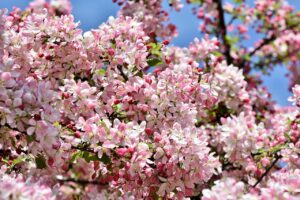
So, you’ve got a crabapple tree that’s just finished its showy bloom or is sporting a nice crop of fruit. You might be wondering if you can still grab your pruners. Well, the short answer is yes, but you need to be a bit more careful.
The main thing to remember is that crabapples set their flower buds for the next year pretty early, usually around mid-June to early July. If you prune too heavily after flowering, especially in the summer, you risk cutting off those future blooms. That means fewer flowers next spring.
Here’s a breakdown of what to think about:
- Light Pruning for Shape and Health: If you just need to do some minor shaping, remove dead or diseased branches, or thin out crowded areas, summer pruning is generally okay. Just be light-handed. You’re not trying to reshape the tree at this point.
- Fruit Thinning: If your tree is loaded with fruit and you want bigger, better-quality apples (or just want to prevent branches from breaking under the weight), you can thin the fruit. This is usually done about 4-6 weeks after the flowers fade. It’s not exactly pruning, but it’s a related task done during this time.
- Sucker Removal: Those little shoots popping up from the base of the tree or along the main branches? You can usually remove those anytime, including after flowering or fruiting, without much worry.
If you’re aiming for a spectacular bloom display next year, it’s best to save any significant structural pruning for the dormant season. Summer pruning should be reserved for maintenance and minor adjustments, not for major renovations.
Avoid making large cuts in the summer. Big wounds take longer to heal, and the tree is already busy with fruit development or preparing for next year’s flowers. If you’re unsure, it’s always better to err on the side of caution and wait until late winter or early spring.
Best Practices for When to Prune Crabapple Trees to Promote Health and Bloom
Alright, so you’ve got a crabapple tree and you want to keep it looking good and producing those pretty flowers, right? Pruning is key, but you gotta do it smart.
The main goal when you’re pruning is to shape the tree, get rid of any dead or diseased branches, and encourage it to grow strong and bloom well. Think of it like giving your tree a good haircut – you want it to look neat and healthy.
Here are some things to keep in mind:
- Start with the dead stuff: Always go for branches that are broken, diseased, or just plain dead. They’re not doing the tree any favors and can spread problems. Cut them back to healthy wood.
- Open it up: Crabapples can get pretty dense. You want to open up the center of the tree a bit. This helps with air circulation, which means fewer fungal diseases, and it lets sunlight reach more of the branches. This is good for both the leaves and the flowers that will form.
- Shape it up: Look at the overall shape of your tree. Are there branches growing straight down, crossing over each other, or rubbing against other branches? Trim those off. You’re aiming for a nice, balanced form.
- Don’t overdo it: It’s tempting to go wild with the pruners, but remember, every cut you make is a wound. Try not to remove more than about a quarter of the tree’s canopy in one go. Less is often more, especially when you’re just starting.
When you’re pruning, always make your cuts just outside the branch collar. That’s the slightly swollen area where the branch meets the trunk or a larger branch. Cutting here helps the tree heal over the wound faster and reduces the risk of disease.
Think about fruit thinning, too, if your crabapple produces fruit. If it sets way too much fruit, the apples might be small, and the tree can get worn out. Thinning them out a few weeks after they bloom, leaving just one fruit every 6-8 inches, can lead to better quality fruit and help the tree set buds for next year’s flowers. It’s a bit of work, but it pays off.
Tools, Safety, and Technique for When to Prune Crabapple Trees Properly
Alright, let’s talk about getting your crabapple tree into shape. It’s not rocket science, but you do need the right gear and a bit of know-how to avoid turning a simple trim into a tree tragedy.
First off, the tools. You’ll want a good pair of bypass pruners for smaller branches – think of them like scissors, making a clean cut. For anything a bit thicker, up to about an inch or so, a pair of loppers is your best friend. They give you more leverage. If you’ve got branches that are really chunky, like an inch and a half or more, you’ll need a pruning saw. Don’t try to force those big ones with loppers; you’ll just end up damaging the tree and your tools.
Safety is super important here. Always wear sturdy gloves to protect your hands from thorns and sap. Safety glasses are a must to keep stray twigs or sawdust out of your eyes. If you’re working with a ladder, make sure it’s stable and on level ground. And honestly, if a branch is too high or too awkward to reach safely, it’s probably best to leave it or call in someone who has more experience with tree work.
When it comes to technique, the goal is to make clean cuts so that the tree can heal easily. You want to cut just outside the branch collar, which is that slightly swollen area where the branch meets the trunk or a larger limb. Don’t leave stubs, because those can invite disease. Also, avoid cutting flush with the trunk; that can damage the collar and hinder healing.
Here’s a quick rundown of what to aim for:
- Remove dead, damaged, or diseased wood first. This is usually pretty obvious – if it’s brown and brittle or looks funky, get rid of it.
- Address crossing or rubbing branches. Branches that are growing into each other can cause wounds that let in pests and diseases.
- Thin out crowded areas. This helps improve air circulation and allows sunlight to reach more of the tree, which is good for both health and future blooms.
- Shape the tree. Think about the overall form you want. Remove branches that are growing inward or downward if they don’t fit your vision.
Remember, less is often more, especially when you’re just starting. You can always take more off later, but you can’t put it back on. Aim for a natural-looking shape that allows for good light penetration and air movement throughout the canopy.
Don’t forget about the trunk. If you’re planting a young tree, especially in a sunny spot, consider wrapping the lower trunk with tree wrap in the fall to prevent sunscald, which can happen when the bark heats up during the day and then freezes at night. You can remove it in the spring. Also, keep grass and weeds away from the base of the tree. A ring of mulch, a few inches deep and kept a few inches away from the trunk itself, is great for retaining moisture and suppressing weeds without causing problems.
Follow-up Care: What to do After When to Prune Crabapple Trees for Best Results
So, you’ve done the pruning, and your crabapple tree is looking sharp. But don’t just walk away and forget about it! There are a few things you can do to help it recover and really thrive.
First off, let’s talk about mulch. It’s like a cozy blanket for your tree’s roots. Spread a layer of about 2 to 3 inches around the base, but make sure to keep it a few inches away from the trunk itself. This helps keep weeds down and holds in moisture. Just don’t pile it up against the trunk – that can invite all sorts of trouble, like rodents and rot.
Here’s a quick rundown of what to do:
- Watering: Give your tree a good watering, especially if the soil is dry. This helps it settle in after the pruning.
- Mulching: Apply that protective layer of mulch we talked about, keeping it away from the trunk.
- Weed Control: Keep an eye out for weeds. You can pull them by hand or use mulch to suppress them. Avoid using strong herbicides near the tree, especially on young roots or suckers.
- Monitor: Just keep an eye on your tree over the next few weeks. Look for any signs of stress or new growth.
Sometimes, after pruning, especially if you removed a lot of branches, your tree might need a little extra support. If you’re concerned about its stability or if it’s a young tree, you might want to check its staking.
Remember, pruning is a bit of a shock to the system for any plant. Providing good aftercare helps it bounce back stronger and healthier, setting it up for a great blooming season next year. It’s all about giving it the best chance to heal and grow.
So, when’s the best time to grab those pruning shears for your crabapple trees here in Salt Lake City? Generally, aim for late winter or early spring, right before those buds really start to swell. This timing helps you shape the tree, get rid of any dead or crossing branches, and set it up for a healthy growing season. Remember, a little pruning goes a long way in keeping your crabapple looking good and producing those lovely flowers and fruits. Don’t forget to watch out for things like Southwest winter injury and protect those trunks if needed. Happy pruning!
Frequently Asked Questions
When is the best time to prune my crabapple tree in Salt Lake City?
The ideal time to prune your crabapple tree is during the late winter or early spring, before new growth really starts. Think of it as giving your tree a haircut before it gets too busy with spring and summer activities. This timing helps the tree heal quickly and encourages healthy growth.
Can I prune my crabapple tree in the summer?
While you can do some light trimming in the summer to remove dead or broken branches, it’s generally best to avoid heavy pruning during this time. Summer pruning can stress the tree, especially in Salt Lake City’s heat, and might affect its ability to produce flowers and fruit for the next year.
What should I look for when deciding if it’s time to prune?
Keep an eye on your tree’s buds and branches. If you see any branches that are dead, broken, or crossing over others, those are good candidates for pruning. You can also prune to shape the tree and make sure it has a strong structure, especially when it’s young.
Are there any pruning mistakes I should avoid?
Yes, definitely! A common mistake is pruning too late in the spring, after the buds have already started to open. Also, avoid making large cuts unnecessarily, as smaller, regular pruning is better for the tree’s long-term health. Don’t prune right before a hard freeze, either.
How does pruning help my crabapple tree stay healthy?
Pruning helps your tree in a few ways. It removes parts that might be diseased or damaged, preventing problems from spreading. It also allows for better air circulation within the tree, which can help keep diseases away. Plus, it encourages the tree to grow stronger branches and produce more beautiful flowers and fruit.
What tools do I need for pruning crabapple trees?
You’ll want a few basic tools like hand pruners for smaller branches, loppers for slightly larger ones, and possibly a pruning saw for thicker limbs. Always make sure your tools are clean and sharp to make clean cuts and prevent the spread of diseases.
Should I do anything after pruning my crabapple tree?
After pruning, it’s a good idea to clean up all the fallen branches and leaves. This helps prevent pests and diseases from taking hold. For young trees, you might also want to consider protecting the trunk from sunscald during the winter by wrapping it with tree tape or painting it.
When should I prune to encourage more flowers or fruit?
To encourage more blooms and fruit, prune in late winter or early spring. This is when the tree is preparing for its growth cycle. Removing dead or weak branches and thinning out crowded areas will allow the remaining branches to produce better flowers and fruit.