
American Linden Tree Pros and Cons: Is It Right for Your Yard?

- November 26, 2025
- By Wayne Ridge
I’ve been looking into the American linden tree lately, and I wanted to share what I’ve found about its good points and bad points. If you’re thinking about adding one to your yard, it’s good to know what you’re getting into. This tree, also called basswood, is native to North America and has been around for a long time. It’s known for its looks and how it helps out the environment. I’ve gathered some information to help you decide if it’s the right fit for your space. In this article, we will discuss about American linden tree pros and cons in a detailed way.
Introduction to American Linden Tree Pros and Cons for Homeowners
So, you’re thinking about planting an American linden tree, and also about American Linden tree pros and cons, huh? That’s a pretty common thought for folks looking to add some shade and beauty to their yards. I’ve been looking into this tree myself, and let me tell you, it’s got a lot going for it, but also a few things to watch out for. It’s called Tilia americana, or sometimes basswood, and it’s a native tree that’s been around for ages.
I’m trying to figure out if this tree is the right fit for my space, and I figured sharing my research might help you, too. It’s a pretty big tree, which is great for shade, but maybe not so great if you’ve got a postage-stamp-sized yard. Plus, it’s known for attracting bees, which is good for the environment, but maybe not ideal if you’re worried about stings.
Here’s a quick rundown of what I’ve found:
- Shade Powerhouse: These trees grow big and bushy, offering serious shade. This can actually help cool down your house in the summer, saving you a bit on energy bills.
- Wildlife Magnet: The flowers are a big draw for bees and other pollinators. If you’re into supporting local ecosystems, this is a plus. You can even get some really nice honey from bees that visit linden trees.
- Looks Good: They have nice heart-shaped leaves and a generally attractive shape that adds to the landscape.
But it’s not all sunshine and roses. There are definitely some downsides to consider:
- Messy Eater: They drop a lot of leaves, flowers, and seeds. Keeping your yard clean might become a regular chore.
- Pest Patrol: Like many trees, they can attract pests and get diseases, which might mean extra work or even treatments.
- Space Hog: These trees get large, so you need to make sure you have enough room for them to grow without causing problems.
I’m going to break down the good and the bad in more detail, looking at everything from how much space they need to how much work they are to care for. It’s important to get a clear picture before you decide to plant one. You can find more general information about linden trees if you want to get a broader sense of what they offer.
Key Benefits of the American Linden Tree Pros and Cons Overview
When I started looking into the American linden tree pros and cons, I was really struck by how many good things it has going for it. It’s not just a pretty face; this tree actually does a lot for your yard and the environment around it. For starters, it’s a fantastic shade provider. Its big, heart-shaped leaves create a dense canopy that can really cool things down on a hot summer day. I read that strategically placed trees like this can lower the temperature around your house, which could mean saving a bit on energy bills. That alone is a pretty compelling reason to consider it.
Beyond just shade, the American linden is a real magnet for wildlife. Its flowers, which are super fragrant by the way, are a big draw for bees and other pollinators. This is great for the local ecosystem, and if you’re into beekeeping, the nectar from linden flowers is known for making some really high-quality honey. Birds and other small critters also find food and shelter in its branches and leaves. It’s like creating a little nature preserve right in your backyard.
Here are some of the main advantages I found:
- Excellent Shade: Its dense foliage offers significant cooling, potentially reducing your home’s energy costs.
- Pollinator Attraction: The fragrant flowers are a favorite for bees, butterflies, and other beneficial insects.
- Wildlife Habitat: Provides food and shelter for various birds and small animals.
- Aesthetic Value: Features attractive foliage, fragrant blooms, and a pleasing shape that enhances landscape appeal.
- Adaptability: Generally tolerates a range of soil types and urban conditions once established.
I was also impressed by how long these trees can live. We’re talking 150 to 200 years if they’re happy and healthy. That’s a serious long-term investment in your property and the environment. It’s kind of amazing to think about planting something that will be around for generations.
Finally, the tree itself looks good. It has a nice, symmetrical shape, and the leaves are a lovely green. In the fall, they turn a pretty golden yellow, adding some nice color before they drop. It’s a tree that offers visual interest throughout much of the year, not just when it’s in bloom.
Shade and Aesthetic Appeal in American Linden Tree Pros and Cons
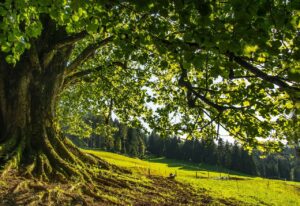
When I think about the American Linden tree pros and cons, the first thing that comes to mind is its impressive presence. It really does create a substantial amount of shade, which is a huge plus, especially during those hot summer months. I’ve noticed that areas under mature lindens feel noticeably cooler. This isn’t just about comfort, though; it can actually help reduce cooling costs for a home.
Beyond the shade, the tree itself is quite attractive. It has this lovely, somewhat symmetrical shape, and the leaves are a nice glossy green. In the fall, they turn a pretty golden yellow, adding a splash of color to the landscape. And in the summer, the flowers are not only fragrant but also a big draw for pollinators. It’s a tree that offers visual interest throughout much of the year.
Here’s a quick look at what makes it stand out aesthetically:
- Shape: Generally pyramidal when young, becoming more rounded with age.
- Foliage: Heart-shaped leaves that are dark green and turn a vibrant yellow in autumn.
- Flowers: Small, fragrant, yellowish flowers that appear in early summer.
- Bark: Smooth and gray on young trees, becoming furrowed and darker with age.
The American Linden’s ability to provide deep shade and its attractive seasonal changes make it a strong contender for homeowners looking to improve their yard’s look and feel. It’s a tree that really fills out a space nicely.
I also appreciate that it’s a native species. Supporting local ecosystems is important to me, and the American Linden does its part by attracting bees and other beneficial insects. It’s nice to know that while I’m enjoying the shade, I’m also providing a habitat for wildlife. If you’re interested in native trees, the Little Leaf Linden is another option to consider for its similar benefits.
Wildlife Attraction Explained in American Linden Tree Pros and Cons
One of the really neat things about the American linden tree is how much it helps out the local wildlife. I’ve noticed that when I’m near one, especially when it’s blooming, there’s always a buzz of activity. The fragrant flowers are a huge draw for pollinators, particularly bees. It’s pretty amazing to see them working away, and it’s a big reason why linden trees are so important for supporting healthy bee populations. Plus, those bees are busy making that delicious linden honey that some people rave about.
But it’s not just about the bees. Birds seem to like these trees, too. They’ll often perch in the branches, and I’ve seen them pecking at the seeds or even nesting there. Small mammals can also benefit from the seeds and leaves. It really turns the tree into a little ecosystem hub right in your yard.
Here’s a quick rundown of who visits:
- Bees: They absolutely love the nectar-rich flowers.
- Butterflies: You’ll often see them flitting around the blooms.
- Birds: They use the tree for shelter, food (seeds and leaves), and nesting.
- Small Mammals: They might nibble on seeds or leaves.
Planting an American linden can really boost the biodiversity in your backyard. It’s a simple way to provide food and shelter for a variety of creatures, making your yard a more vibrant place.
It’s a good feeling knowing that this tree isn’t just sitting there looking pretty; it’s actively contributing to the local environment. If you’re looking to attract more pollinators and birds, the American linden is definitely a tree worth considering for your landscape. It’s a great way to support native trees and the creatures that depend on them.
Maintenance Challenges in the American Linden Tree Pros and Cons List
Okay, so let’s talk about the less glamorous side of owning an American Linden. While I love the idea of this big, beautiful tree, I’ve learned that it definitely comes with its own set of chores. One of the biggest things to consider is the sheer amount of ‘stuff’ this tree drops. We’re talking leaves, flowers, and seeds – and it all adds up. If you have a patio or walkways near your linden, get ready for some frequent sweeping or blowing.
Then there’s the sap. Those lovely fragrant flowers, while great for bees, also produce a sticky substance that can drip onto cars, furniture, or even your house. It’s not the end of the world, but it’s another thing to clean up. I’ve found that a good rinse with the hose usually does the trick, but it’s still an extra step.
Here’s a quick rundown of what I’ve noticed:
- Leaf Drop: Expect a significant amount of leaves in the fall. They’re not too hard to rake, but there are a lot of them.
- Flower and Seed Litter: The small flowers and subsequent seed pods can create a fuzzy carpet under the tree.
- Sap Stickiness: This is probably the most annoying part for me. It can attract ants and other little critters, and it makes surfaces tacky.
- Gutter Clogging: All that organic material can easily find its way into your gutters, so regular cleaning is a must.
I’ve also heard from neighbors that if the tree isn’t happy – maybe it’s too dry or stressed – it can become a magnet for certain pests. Keeping it healthy is key to minimizing these issues, which means paying attention to watering, especially when it’s young. It’s not a ‘plant it and forget it’ kind of tree, that’s for sure.
Pruning is another maintenance task to keep in mind. While it’s not overly demanding, you’ll want to do some structural pruning, especially when the tree is younger, to shape it and remove any dead or crossing branches. The best time for this kind of work is usually in the early spring, before it really gets going for the season.
Pest and Disease Risks in American Linden Tree Pros and Cons
When I was considering planting an American linden, I wanted to know about any potential pest or disease problems. These trees can sometimes have a few issues, though they’re usually manageable if you know what to look for.
One of the more common visitors is aphids. You know, those tiny little green or black bugs that like to hang out on new growth and suck the sap out? They can sometimes show up in pretty big numbers, especially on younger trees or when the weather is just right for them. If you see a lot of them, they can make the leaves look a bit sticky and even cause some yellowing. Another thing that can pop up is powdery mildew, which is a fungus that makes the leaves look like they’ve been dusted with flour. It’s more of a cosmetic issue most of the time, but it can stress the tree if it’s really bad.
Here’s a quick rundown of what I found:
- Aphids: These little sap-suckers are probably the most frequent pest. They can weaken the tree if left unchecked and sometimes attract ants.
- Powdery Mildew: This fungal disease likes shady, humid conditions and can make the leaves look unsightly.
- Scale Insects: Less common, but these can also attach themselves to branches and leaves, feeding on the tree’s fluids.
- Japanese Beetles: While not exclusively a linden pest, they can sometimes munch on the leaves, especially if the tree is already stressed.
The good news is that American lindens are generally pretty tough trees. They often bounce back from minor infestations. For aphids, I learned that a strong spray of water can knock a lot of them off, or you can use insecticidal soap. Ladybugs and lacewings are also natural predators that can help keep aphid populations in check. For powdery mildew, making sure the tree has good air circulation and avoiding watering the leaves directly can help prevent it. If it does show up, sometimes just removing the affected leaves is enough.
It’s important to remember that a healthy tree is less likely to have major pest or disease problems. Things like proper watering, good soil, and not planting it too close to other trees can make a big difference in keeping your linden strong and resilient. I found that keeping an eye on the tree, especially in the spring and early summer when new growth is happening, is key to catching any issues early before they become a big deal.
Site Requirements Considered in American Linden Tree Pros and Cons
When I’m thinking about planting an American linden, the first thing I really need to consider is where it’s going to go. These trees get pretty big, and they aren’t exactly shy about spreading out. So, if I’ve got a postage-stamp-sized yard, this might not be the best fit. I’ve learned that they really need some elbow room.
Here’s what I’ve gathered about their space needs:
- Size Matters: American lindens can easily reach 60 to 80 feet tall and spread just as wide. That means I need to make sure there’s plenty of open space around it, away from buildings, power lines, and even other large trees. I’m talking at least 30 to 40 feet of clearance, ideally more.
- Root Run: Their root systems can be quite extensive, though they’re generally not as aggressive as some other trees. Still, I wouldn’t want to plant one right over a septic tank or a driveway that I don’t want to see cracked later on.
- Sunlight: They generally prefer full sun. While they can tolerate some shade, they’ll do best and grow most vigorously with at least six hours of direct sunlight per day.
I also need to think about the soil. They’re pretty adaptable, which is a plus. I’ve seen them do well in a range of soil types, from clay to loam, and they can even handle a bit of pollution, making them decent for city planting. However, they do appreciate well-drained soil. If I have a spot that stays waterlogged, I might want to amend the soil or reconsider.
Young trees really need consistent watering to get established. I learned this the hard way with a different tree; if I don’t give them enough water when they’re young, they can struggle for years, or worse, just not make it. So, I need to be prepared for that initial watering commitment, especially if I live somewhere that doesn’t get a lot of rain.
So, before I even think about buying one, I’m going to walk around my yard and really map out the best spot, making sure it has enough room to grow into a magnificent tree without causing problems down the line.
American Linden Tree Pros and Cons—Is It the Right Choice for Your Yard?
So, after looking at all the good and the not-so-good stuff about the American linden tree, what’s the final call? Honestly, it really depends on your yard and what you’re looking for. If you’ve got a good amount of space and you’re not afraid of a little bit of cleanup, this tree could be a fantastic addition.
I think the biggest thing to remember is its size. This isn’t a tree for a postage-stamp yard. It gets big, and I mean big. We’re talking 60 to 80 feet tall with a wide spread. So, if you have a large property, a park, or a spacious backyard, it can be a real showstopper, providing tons of shade and looking pretty darn good doing it.
Here’s a quick rundown to help you decide:
- Pros: It’s a shade machine, great for cooling things down. The flowers are a magnet for bees, which is awesome for the environment (and maybe for honey!). It’s a long-lived tree, so it’s a real investment for the future. Plus, it’s pretty tough and can handle city life.
- Cons: It drops a lot of stuff – leaves, flowers, you name it. That means more ranking. It can also be a bit of a target for aphids and other little critters, so keep an eye out. And again, it needs room to grow, both above and below ground.
If you’re someone who enjoys a tree that’s a bit of a presence and you don’t mind the seasonal leaf drop and occasional pest watch, the American linden might be perfect. It’s a tree that gives back to the environment and offers beauty for decades.
For me, if I had the space, I’d seriously consider it. The idea of having a tree that lives for 150 years or more and supports local wildlife is pretty appealing. But if my yard were small, or if I wanted something super low-maintenance that never dropped a thing, I’d probably look elsewhere. It’s all about matching the tree to your lifestyle and your landscape.
So, Is the American Linden Tree for You?
After looking at all theAmerican linden tree pros and cons, I think it really comes down to your yard and what you’re looking for. If you’ve got a good amount of space and don’t mind a bit of cleanup now and then, this tree could be a fantastic addition. It offers great shade, looks pretty, and is a real help to bees and other critters. But, if you have a small yard or prefer something that requires almost zero fuss, you might want to look at other options. For me, weighing the benefits against the potential mess, I’m leaning towards it for a larger, more open spot where its size won’t be an issue. It’s a big tree with big benefits, but it needs a big space to really shine.
Frequently Asked Questions
Is the American linden tree a good choice for my yard?
I think it really depends on your yard’s size and your willingness to do some upkeep. If you have plenty of space and don’t mind a bit of leaf cleanup, it can be a fantastic addition. It offers great shade and is wonderful for wildlife. However, if you have a small yard or prefer very low-maintenance plants, I might suggest looking at other options.
How big does an American linden tree get?
These trees can get quite large, often reaching heights of 60 to 80 feet. Their canopies can spread out just as wide, so I always recommend giving them plenty of room to grow without crowding nearby structures or other plants.
Does the American linden tree attract a lot of insects?
Yes, I’ve found that they can be a magnet for aphids. While these aphids create a sticky substance called honeydew, which can be a bit messy, the tree itself is usually tough enough to handle them. Also, the flowers are a huge draw for bees and other pollinators, which I see as a big plus for my garden’s ecosystem.
How much care does an American linden tree need?
Once it’s established, I find it’s pretty low-maintenance. It doesn’t need a lot of fussing over, especially when it comes to watering. However, I do need to be mindful of pruning to keep its shape and remove any dead branches, and regular raking is a must, especially in the fall.
Can I plant an American linden in a small garden?
Honestly, I wouldn’t recommend it for a small garden. Because of its mature size, it can easily overwhelm a limited space. I’d suggest looking for smaller tree varieties or planting the linden in a larger park or open area where it has room to spread.
What are the main benefits of having an American linden tree?
For me, the biggest benefits are the amazing shade it provides and how much it helps local wildlife. Its fragrant flowers are a big hit with bees, and the tree itself is quite beautiful with its heart-shaped leaves. Plus, I know it’s a long-lived tree, so it’s a great investment for the future.