
Utah Juniper vs Rocky Mountain Juniper: Key Differences
- January 3, 2026
- By Wayne Ridge
Ever wondered if that juniper tree in your yard is a Utah Juniper or a Rocky Mountain Juniper? It’s a common question, especially since they look so similar. Both are tough, native trees that can handle some pretty rough conditions. But if you look closely, some differences can help you tell them apart. This article will break down the key distinctions between the Utah juniper vs Rocky Mountain juniper, covering everything from how they grow to what their berries look like. Let’s get to know these two hardy evergreens a little better.
Utah Juniper vs Rocky Mountain Juniper: Overview of Both Species
When you’re out exploring the rugged landscapes of the American West, you’re bound to run into a couple of familiar evergreen faces: the Utah Juniper and the Rocky Mountain Juniper. While they might look similar at first glance, especially to the untrained eye, there are some pretty distinct differences between the Utah juniper vs Rocky Mountain juniper. These two trees, both members of the Juniperus genus, have carved out their own niches across various terrains, and understanding their unique traits can really help you appreciate the local flora.
These junipers are often confused, but a closer look reveals key distinctions.
Both species are tough as nails, thriving in dry, arid conditions where many other trees would just give up. They’re a common sight in places like Utah, Colorado, and other parts of the Southwest. However, their native ranges, growth habits, and even the cones they produce have their own stories to tell. For anyone interested in botany, hiking, or just identifying the trees in their backyard, knowing the Utah juniper vs Rocky Mountain juniper differences is a good starting point.
Here’s a quick rundown of what sets them apart:
- Utah Juniper (Juniperus osteosperma): Generally found in the Great Basin region, including parts of Utah, Nevada, Arizona, and California. It’s known for its adaptability to harsh desert environments.
- Rocky Mountain Juniper (Juniperus scopulorum): As the name suggests, this species is more commonly found in mountainous areas, stretching from Canada down through the Rockies and into the Southwest. It often prefers slightly higher elevations than its Utah counterpart.
It’s easy to get these two mixed up, especially since their ranges overlap in some areas. People often call them ‘cedars,’ which isn’t quite right, but that’s a whole other story. The main thing to remember is that while they’re both hardy evergreens, they have their own subtle (and sometimes not-so-subtle) ways of showing up in the landscape.
Comparing the Utah juniper vs Rocky Mountain juniper isn’t just an academic exercise; it helps us understand the ecological roles they play and how they’ve adapted to survive. Whether you’re trying to identify a tree on a hike or just curious about the plants around you, this comparison of Utah juniper vs Rocky Mountain juniper will shed some light.
Native Range and Natural Habitat: Utah Juniper vs Rocky Mountain Juniper
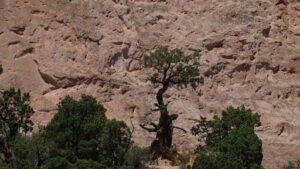
When you’re trying to figure out where these two junipers like to hang out, it’s pretty interesting how much they overlap, but also how they carve out their own little niches.
The Rocky Mountain Juniper (Juniperus scopulorum) has a seriously wide reach across western North America. You can find it from the dry, windy plains all the way up into the mountains, stretching from parts of Canada down through the Great Plains and into northern Mexico. It’s not usually found in huge, dense forests, but more often in scattered groves or as lone trees. They tend to pop up where grasslands start to give way to forests, often hanging out with piñon pines and Gambel oaks.
The Utah Juniper (Juniperus osteosperma), on the other hand, is more of a Great Basin and Southwest kind of tree. Think Utah, Nevada, Arizona, and parts of California. It’s a real survivor in arid environments, often found on dry, rocky slopes and plateaus. It’s tough enough to handle intense heat and cold, and doesn’t need a ton of water.
Here’s a quick look at their general stomping grounds:
- Rocky Mountain Juniper:
- Canada (British Columbia, Alberta)
- United States (from Washington east to North Dakota, south to Arizona, west Texas)
- Northern Mexico
- Utah Juniper:
- Great Basin region (Utah, Nevada)
- Southwestern United States (Arizona, Colorado, New Mexico)
- Parts of California
It’s not uncommon to find them growing in the same general areas, especially in places like Colorado and Utah, where their ranges meet. They’re both pretty adaptable, but the Rocky Mountain Juniper seems to handle a bit more moisture and a wider range of elevations, while the Utah Juniper is a champion of the truly arid, rocky landscapes.
Both species are incredibly resilient, thriving in tough conditions where other trees might struggle. This adaptability is key to their survival and widespread presence in the western United States.
Growth Habit and Mature Size Differences
When you’re trying to tell Utah Juniper from Rocky Mountain Juniper apart, their shape and how big they get a pretty good clues. Utah Juniper (Juniperus osteosperma) tends to be a bit more spread out and often has a more irregular, sometimes multi-trunked form. It’s not uncommon to see it looking more like a sprawling shrub, especially when it’s younger or growing in tough conditions. It usually tops out somewhere between 10 to 30 feet tall, but it can get wider than it is tall.
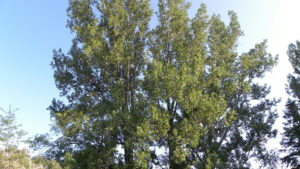
Rocky Mountain Juniper (Juniperus scopulorum), on the other hand, often has a more upright and columnar or pyramidal shape. Think of a classic evergreen tree silhouette. While it can also be shrubby, especially at higher elevations or in exposed sites, mature specimens are more likely to develop a single, strong trunk and a more defined tree-like structure. This species can reach heights of 15 to 50 feet, and sometimes even taller in ideal spots. It’s worth noting that Rocky Mountain juniper is generally considered the taller of the two.
Here’s a quick rundown:
- Utah Juniper: More spreading, irregular, often multi-trunked. Typically 10-30 feet tall, can be wider than tall.
- Rocky Mountain Juniper: More upright, columnar or pyramidal, often single-trunked. Typically 15-50 feet tall, can be much taller.
The way these junipers grow isn’t just about looks; it’s a response to their environment. The more open, spreading habit of the Utah Juniper might be a way to catch more sunlight and moisture in drier, more exposed areas, while the upright form of the Rocky Mountain Juniper could be an adaptation for shedding snow in mountainous regions.
So, if you see a juniper that looks like it’s trying to take over a good portion of the ground, it’s likely a Utah Juniper. If it’s reaching for the sky with a more defined, tree-like shape, you’re probably looking at a Rocky Mountain Juniper.
Leaf Shape, Color, and Foliage Comparison
When you’re trying to tell Utah Juniper vs Rocky Mountain Juniper apart, the leaves are a pretty good place to start. They both have that classic juniper look, but there are some subtle differences.
Rocky Mountain Juniper tends to have foliage that’s a bit more on the blue-green or even silvery-blue side. This is often due to a waxy coating, especially noticeable on younger plants. The leaves themselves are usually small and scale-like on mature trees, hugging the branches tightly. On younger trees, you might see sharper, needle-like leaves, but they usually transition as the plant gets older. The shoots are generally slender, measuring around 0.7 to 1.2 mm in diameter.
Utah Juniper, on the other hand, often sports a more yellowish-green hue. Its scale-like leaves are typically a bit broader and might not hug the branches quite as snugly as those of the Rocky Mountain Juniper. The shoots on Utah Juniper are also a bit thicker, usually around 1.5 to 2 mm in diameter. Like its cousin, it can have needle-like leaves when young, which then mature into scales.
Here’s a quick rundown:
- Rocky Mountain Juniper: Silvery-blue to blue-green foliage, slender shoots (0.7-1.2 mm).
- Utah Juniper: Yellowish-green foliage, thicker shoots (1.5-2 mm).
The color difference is often the most striking visual cue when comparing them side-by-side.
It’s worth noting that both species can have variations depending on growing conditions and age. Sometimes, what looks like a blue-green leaf on one might appear more green on another, so it’s best to look at a few characteristics together rather than relying on just one.
These differences in foliage aren’t just for looks; they can be adaptations to their specific environments. The waxy coating on Rocky Mountain Juniper, for instance, might help it conserve moisture in drier, more exposed sites, which is common in its native range. You can find more details about the Rocky Mountain Juniper and its characteristics on various botanical resources.
Bark Texture and Trunk Characteristics Compared
When you’re trying to tell Utah Juniper vs Rocky Mountain Juniper apart, their bark and trunks can offer some pretty good clues. It’s not always a slam dunk, but paying attention to the details can help.
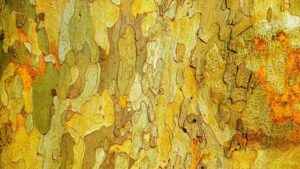
Rocky Mountain Juniper often has bark that starts reddish-brown on younger branches, but as it gets older and faces the elements, it tends to weather to a gray color on the main trunk. This bark is usually rough and peels off in thin strips, kind of like shredded paper. On the trunk itself, you might see brown showing through the cracks where the strips have come away. These trees can grow with a single, sturdy trunk, or sometimes they branch out from the base with multiple stems. If they’re growing in tough spots with dry, hard-to-penetrate soil, their roots spread out wide, and the trunks can get pretty substantial, sometimes reaching 15 to 30 inches in diameter on mature specimens. The branches on Rocky Mountain Juniper often grow outwards a bit before curving upwards.
Utah Juniper, on the other hand, tends to have bark that’s more consistently reddish-brown or gray, and it often forms vertical grooves or strips that can peel away. Think of it like forming shallow, vertical channels. While it can also get rough and shreddy, it might not always be as dramatically peeling as the Rocky Mountain Juniper. The trunk of a Utah Juniper can also be quite variable, sometimes stout and sometimes more slender, depending on its growing conditions. They often have a more irregular or spreading crown as they age, and their trunks can become twisted and gnarled, especially on older trees that have seen a lot of life.
Here’s a quick rundown:
- Rocky Mountain Juniper: Bark often weathers to gray, peels in thin strips, can have a single or multiple trunks, and trunks can become quite large (up to 30 inches in diameter).
- Utah Juniper: Bark is typically reddish-brown to gray, often grooved or vertically striped, can peel, and trunks might be more twisted or gnarled on older trees.
It’s worth remembering that environmental factors play a huge role. A Utah Juniper growing in a harsh, exposed location might look quite different from one in a more sheltered spot, and the same goes for Rocky Mountain Juniper. So, while bark and trunk are good indicators, don’t rely on them as the only way to identify the tree.
Cone (Berry) Size, Color, and Seed Differences
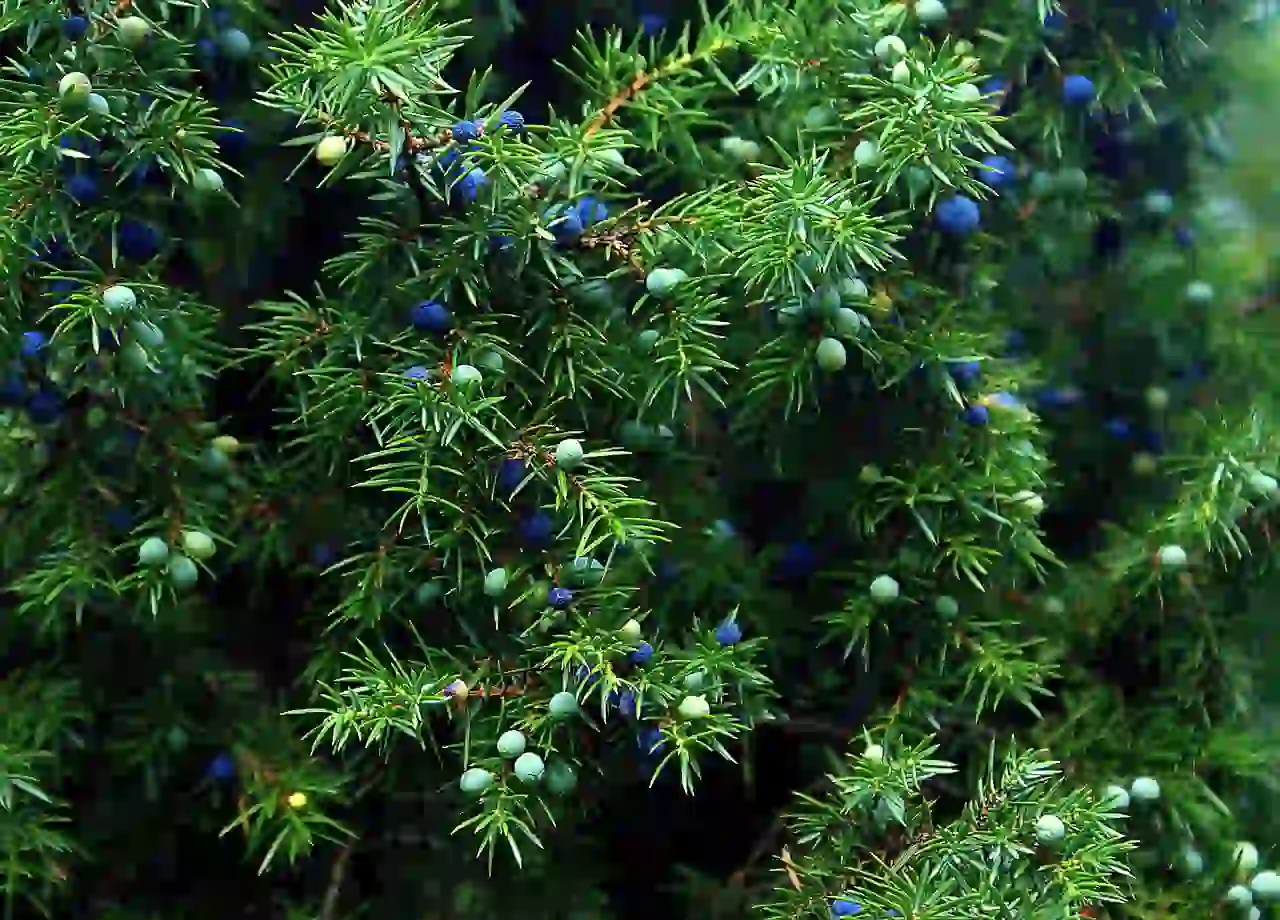
When you’re trying to tell Utah Juniper from Rocky Mountain Juniper apart, the cones, often called berries, can be a big clue. These aren’t true berries, mind you, but fleshy, scaled cones that hold the seeds.
The most noticeable difference is that Utah Junipers are monoecious, meaning both male pollen cones and female seed cones grow on the same tree, while Rocky Mountain Junipers are typically dioecious, with separate male and female plants. This means you’ll see both types of cones on a single Utah Juniper, but you’ll need to find a male plant and a female plant to see both kinds on Rocky Mountain Junipers.
Here’s a quick rundown:
- Utah Juniper Cones: These are generally larger, often around 1/4 to 1/2 inch in diameter. They start greenish and mature to a reddish-brown or sometimes a dark blue color. Each cone usually contains one or two seeds.
- Rocky Mountain Juniper Cones: These tend to be smaller, typically 3/16 to 11/32 inches across. They are usually a dark blue-black when mature, but can appear pale blue-white due to a waxy coating. Most often, these cones have two seeds, though one or three are possible.
It’s interesting how these small differences can help us identify these trees in the wild. The cones of junipers are a key part of their reproductive cycle and also a food source for various wildlife. For instance, deer seem to really go for the cones on Rocky Mountain Junipers, often browsing the lower branches heavily. You can find more details on juniper species and their characteristics on sites like the Alpine Nature Center.
While the cones are a good indicator, remember that color can vary with maturity and environmental factors. Always look at a combination of features, like leaf shape and bark, for the most accurate identification.
Cold, Drought, and Climate Tolerance Differences
When it comes to toughing it out in harsh conditions, both Utah Juniper and Rocky Mountain Juniper are pretty impressive. They’re both native to arid and semi-arid regions, so they’ve got a good handle on dealing with dry spells.
Rocky Mountain Juniper tends to be a bit more cold-hardy than the Utah Juniper. This makes sense given its name and where it typically grows, often at higher elevations where winters can be brutal. Utah Juniper, while still tolerant of cold, might struggle a bit more in the extreme low temperatures that Rocky Mountain Juniper can shrug off.
When it comes to drought, both are champions. They’ve evolved to survive with minimal water, often found in rocky, well-drained soils where water doesn’t stick around. They can go for long periods without rain, storing water in their tissues and slowing down their growth when things get really dry. It’s this resilience that allows them to thrive in places where other trees just wouldn’t stand a chance.
Here’s a quick rundown:
- Cold Tolerance: Rocky Mountain Juniper generally handles colder temperatures better.
- Drought Tolerance: Both species are highly drought-tolerant, a key survival trait in their native habitats.
- Heat Tolerance: Both can handle hot summers, though extreme, prolonged heatwaves might stress them, especially if they lack adequate water.
These junipers are well-adapted to the unpredictable weather patterns of the western United States. Their ability to withstand both prolonged dry periods and significant temperature fluctuations is a major reason for their widespread success in challenging environments. They don’t need much pampering once established.
While both are tough, Rocky Mountain Juniper often has the edge in extreme cold, making it a reliable choice for higher, colder mountain environments. Utah Juniper is also very tough but might be slightly more sensitive to the absolute coldest snaps.
Soil Preferences and Water Requirements
When it comes to soil and water, both Utah Juniper and Rocky Mountain Juniper are pretty tough cookies, but they do have their preferences.
Rocky Mountain Juniper, for instance, really likes it alkaline and calcium-rich. Think soils that are a bit on the drier side but drain well. They can handle some clay and even soils with a cemented layer underneath, which is pretty wild. You’ll often find them on rocky outcrops or dry, south-facing slopes. While they can grow in some pretty tough spots, they’ll reach their best size in deeper, more moist (but still well-draining) soil with decent organic matter.
Utah Juniper is also super adaptable. It doesn’t mind a wide range of soils, from sandy to clay, and can even tolerate some salt. Like its cousin, it absolutely needs good drainage. Soggy roots are a no-go for both.
Both species are incredibly drought-tolerant once established. They’ve evolved to survive in arid and semi-arid regions, so overwatering is a much bigger threat than underwatering.
Here’s a quick rundown:
- Rocky Mountain Juniper: Prefers alkaline, well-draining soils. Tolerates clay, rocky, and dry conditions. Best growth in deeper, moist-but-draining soil.
- Utah Juniper: Highly adaptable to various soil types, including sandy, clay, and even slightly saline. Excellent drainage is a must.
- Water Needs: Both are very drought-tolerant. Water deeply but infrequently once established. Avoid waterlogged conditions.
If you’re planting either of these junipers, make sure the spot you choose drains well. You can always add some gravel to the planting hole if your soil is heavy clay, but honestly, they’re usually happiest in native soil that lets water escape quickly. They’re not fussy plants, but they do appreciate not having their feet wet all the time.
Lifespan and Growth Rate: Utah Juniper vs Rocky Mountain Juniper
When you’re looking at junipers, especially in the wild, their age and how fast they grow can tell you a lot about the conditions they’ve endured. Both Utah Juniper and Rocky Mountain Juniper are known for their longevity, but there are some general differences to keep in mind.
Rocky Mountain Junipers can live for a really long time, often exceeding 300 years, with some exceptional individuals documented to be over 1,500 years old. Utah Junipers are also long-lived, though they might not reach quite the same extreme ages as their Rocky Mountain cousins. They are tough trees, built to last in harsh environments.
Here’s a quick look at what we generally see:
- Rocky Mountain Juniper: Known for its slow but steady growth. It’s not a tree that shoots up quickly; instead, it builds its strength over centuries. Mature heights typically range from 20-30 feet.
- Utah Juniper: Also a slow grower, often taking its time to establish. Its mature size is usually a bit smaller, often between 10-20 feet tall, contributing to its often more shrub-like appearance.
These trees are adapted to survive, not to thrive in a fast-paced way. Their slow growth rate is a survival strategy, allowing them to conserve resources in arid or challenging climates. This resilience is a big part of why they can stick around for so long. If you’re thinking about planting one, remember that patience is key; you’re investing in a tree that will be around for generations. For those interested in managing juniper growth, there are various techniques available for individual plant treatments.
It’s fascinating how these trees, with their slow growth and long lifespans, become living records of the landscapes they inhabit. Their very existence is a testament to endurance and adaptation over vast stretches of time.
Wildlife Value and Ecological Role of Each Juniper
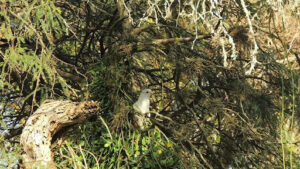
Both Utah Juniper and Rocky Mountain Juniper play important roles in the ecosystems where they grow, offering food and shelter for a variety of wildlife. They’re not just scenery; they’re active participants in the natural world.
These junipers provide crucial resources, especially in arid and semi-arid regions where other food and cover might be scarce. Their “berries” (which are actually modified cones) are a food source for many birds, including robins, cedar waxwings, and various finches. Mammals like deer, rabbits, and rodents also nibble on the foliage and twigs, particularly during harsh winters when other vegetation is buried under snow or dried out.
Here’s a quick look at what they offer:
- Food Source: The fleshy cones are eaten by numerous bird species and some mammals.
- Shelter and Nesting: Dense foliage protects from predators and harsh weather for small animals and birds. Many birds use the branches for nesting sites.
- Habitat Structure: In open landscapes, junipers create microhabitats, offering shade and reducing soil erosion, which benefits other plant and animal life.
Historically, junipers have had a complex relationship with fire and grazing animals like prairie dogs. In many areas, fire suppression has led to an increase in juniper populations, sometimes changing the landscape. While this can be seen as a problem in some contexts, it also means more habitat is available for certain species that benefit from the juniper’s presence. It’s a dynamic balance, and how these trees fit into the environment often depends on the specific ecological history and land management practices of a region.
While both species offer similar benefits, their specific contributions can vary based on their size, density, and the particular environment they inhabit. Rocky Mountain Juniper, often found in more rugged, higher-elevation areas, might offer different nesting opportunities compared to the more widespread Utah Juniper found in drier, lower elevations. Their ecological roles are subtle but significant, contributing to the overall health and biodiversity of the Western landscape.
Landscape and Land-Use Applications for Utah and Rocky Mountain Juniper
When you’re thinking about landscaping or how these trees fit into the bigger picture, both Utah Juniper and Rocky Mountain Juniper have their own special spots. Rocky Mountain Juniper, often seen as a bit more stately, is a popular choice for ornamental planting. People like it for its classic pyramidal or rounded shape, which can add a nice structure to a yard. It’s also pretty tough, handling dry conditions well once it’s established, making it a good pick for xeriscaping or areas where water is scarce. Plus, those berry-like cones can attract birds, which is a nice bonus if you enjoy wildlife in your garden.
Utah Juniper, on the other hand, tends to have a more open or broad crown. It’s not usually the first tree people think of for a formal garden, but it’s incredibly resilient. It thrives in harsh environments, often found alongside piñon pine in what’s known as piñon-juniper woodlands. This makes it a great candidate for restoration projects or for planting in tough, rocky sites where other trees might struggle. Its wood is also known for being rot-resistant, a trait that historically made it useful for things like fence posts.
Here’s a quick look at some common uses:
- Ornamental Planting: Rocky Mountain Juniper is favored for its form and evergreen foliage.
- Xeriscaping: Both species are excellent for low-water gardens due to their drought tolerance.
- Wildlife Habitat: Juniper areas offer shelter and food for various animals, influencing how they utilize these landscapes.
- Erosion Control: Their ability to grow in difficult terrain can help stabilize soil.
- Traditional Uses: Historically, wood from both species was used for fuel and construction due to its durability.
Both junipers are well-suited for the arid and semi-arid regions they call home. Their ability to survive with minimal water and in poor soil conditions makes them valuable for land management, especially in areas prone to drought or where traditional landscaping is challenging. They are not just pretty faces; they play a significant role in the ecosystems they inhabit.
When considering these trees for land use, it’s important to remember their natural tendencies. Rocky Mountain Juniper can be a bit more particular about where it establishes, often preferring spots that catch a bit of extra water. Utah Juniper, however, seems to embrace the challenge of drier, harsher sites. Both contribute to the landscape in their own way, offering beauty and ecological benefits.
How to Identify Utah Juniper vs Rocky Mountain Juniper in the Wild
Alright, so you’re out and about in the wild, maybe hiking or just exploring, and you see one of those classic juniper trees. Pretty, right? But then comes the million-dollar question: is it a Utah Juniper or a Rocky Mountain Juniper? They look pretty similar, I’ll give you that. It’s easy to get them mixed up, especially since they often hang out in the same general areas.
One of the easiest ways to tell them apart is by looking at the foliage. The Utah Juniper tends to have a more yellowish-green hue to its needles, while the Rocky Mountain Juniper leans towards a grayer-green. It’s subtle, but if you look closely, you might see the difference. Also, check out the overall shape of the tree. Utah Junipers often have a broader, more open crown, sometimes looking a bit scraggly. Rocky Mountain Junipers, on the other hand, are usually more upright, with a pyramidal or rounded shape, growing more like a traditional tree.
Here’s a quick rundown to help you sort them out:
- Needles: Utah Juniper = Yellow-green; Rocky Mountain Juniper = Gray-green.
- Bark: Utah Juniper = Gray; Rocky Mountain Juniper = Reddish-brown.
- Overall Shape: Utah Juniper = Broad, rounded, or open crown; Rocky Mountain Juniper = Pyramidal or rounded, more upright.
- Cones (Berries): Utah Juniper berries are typically a bit larger than those of the Rocky Mountain Juniper.
Another key difference, and this is a big one for plant nerds, is how they reproduce. Rocky Mountain Junipers are dioecious, meaning you have separate male trees and female trees. Utah Junipers are monoecious, which means each tree has both male and female parts. So, if you see cones (berries) on a tree, and it’s a Utah Juniper, that same tree also produces the pollen. With Rocky Mountain Junipers, you’d need to find a male tree nearby to pollinate the female tree that’s producing the berries.
Don’t forget to look at the bark too. While it can be hard to tell from a distance, the Utah Juniper usually sports a more gray bark, whereas the Rocky Mountain Juniper often has a reddish-brown hue. It’s another piece of the puzzle.
So, next time you’re out, take a moment to observe. Look at the color of the leaves, the shape of the tree, and if you can get close enough, the bark. You’ll start to notice the patterns, and soon enough, you’ll be identifying these junipers like a pro.
Figuring out if you’re looking at a Utah Juniper or a Rocky Mountain Juniper can be tricky. These trees look pretty similar, but there are a few key differences to spot. Want to become a tree expert? Check out our website for more tips and tricks on identifying different trees in your area. We can help you learn all about local plants!
Frequently Asked Questions
What’s the main difference between Utah Juniper and Rocky Mountain Juniper?
The easiest way to tell them apart is by looking at their bark and needles. Utah Juniper usually has gray bark and yellowish-green needles. Rocky Mountain Juniper, on the other hand, often has reddish-brown bark and grayish-green needles. Also, Utah Junipers have both male and female parts on the same tree, while Rocky Mountain Junipers have separate male and female trees.
How tall do these junipers get?
Utah Junipers are generally smaller, growing to about 10 to 20 feet tall. Rocky Mountain Junipers can get a bit larger, reaching heights of 20 to 30 feet. Some individual Rocky Mountain Junipers can even grow taller.
Are their berries (cones) different?
Yes, the berry-like cones are a bit different in size. Utah Juniper cones are typically larger, measuring about 0.31 to 0.51 inches across. Rocky Mountain Juniper cones are smaller, usually between 0.24 and 0.35 inches in diameter.
Which juniper is more common in the Rocky Mountains?
As the name suggests, the Rocky Mountain Juniper is very common in the Rocky Mountain region. You’ll find it spread across western North America, from Canada down into parts of Mexico. Utah Junipers are also found in the western U.S., but they are more associated with the Great Basin area.
Can these junipers survive in tough conditions?
Absolutely! Both types of junipers are known for being tough. They can handle dry weather, extreme temperatures (both hot and cold), and strong winds. They are well-suited for arid and rocky environments.
Do animals eat juniper berries?
Yes, the berry-like cones of both Utah and Rocky Mountain Junipers are a food source for various wildlife. Birds, deer, and other animals often feed on them, especially during seasons when other food might be scarce.
Can I plant these junipers in my yard?
Both Utah and Rocky Mountain Junipers are popular choices for landscaping, especially in dry or challenging areas. They are low-maintenance and can add greenery year-round. Rocky Mountain Juniper cultivars are particularly common in gardens.
Are junipers related to cedar trees?
It’s a common mix-up! While some junipers are called ‘cedars’ (like Eastern Red Cedar), they are not true cedars. True cedars are from a different plant family. So, while they might look similar and share some uses, junipers and cedars are distinct types of trees.