
Austrian Pine Growth Rate: How Fast Does It Really Grow?

- December 3, 2025
- By Wayne Ridge
I’ve been looking into the Austrian pine lately, and I wanted to share what I’ve learned about its growth rate. It’s a pretty tough tree, often recommended for challenging spots, but how fast does it actually get going? Let’s break down what affects its speed and what you can expect. In this article, we will discuss about Austrian Pine growth rate. Typically Austrian pine growth rate is about 12 to 18 inches per year under good conditions.
Introduction to Austrian Pine Growth Rate and Overall Tree Performance
When I first started thinking about adding an Austrian pine to my yard, I was really curious about how fast it would actually grow. You see them around, these big, stately evergreens, and you just assume they’re slowpokes. But honestly, the Austrian pine (Pinus nigra) is a bit of a mixed bag when it comes to its performance. It’s known for being pretty tough, able to handle some rough conditions like city pollution and even salty air near the coast. That’s a big plus if you’re dealing with a less-than-ideal spot.
The growth rate is generally considered moderate, often around 12 to 18 inches per year under good conditions. This means it’s not going to shoot up overnight, but it also won’t take forever to become a substantial tree. Over 20 to 30 years, you can expect it to reach a height of 35 to 50 feet, with some specimens growing much taller, even over 100 feet in rare cases. Its mature shape is quite impressive, often developing a broad, flat-topped crown with sturdy, spreading branches.
Here’s a quick look at what you can generally expect:
- Mature Height: 40–60 ft. (sometimes over 100 ft.)
- Mature Width: 20–40 ft.
- Annual Growth: 12–18 inches
- Hardiness Zones: 4–7
It’s a tree that can adapt to a variety of soils, including clay and sand, though it really prefers deep, moist soil that drains well. It’s also more tolerant of alkaline soil than many other pines. This adaptability is a big part of its appeal, especially for urban landscapes. However, I’ve learned that its overall performance can be significantly impacted by a few key factors, and it’s not always smooth sailing with this species. You really need to consider the growing season temperature and water availability in your area.
While the Austrian pine is tough, it’s not immune to problems. Its susceptibility to certain diseases and pests means that its performance can vary wildly depending on where you plant it. It’s definitely worth doing some local research before you commit.
So, while it offers a lot in terms of resilience and a handsome appearance, understanding its growth habits and potential issues is key to deciding if it’s the right fit for your space.
Factors That Influence the Austrian Pine Growth Rate
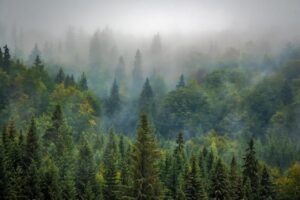
So, I’ve been looking into what makes an Austrian pine tick, and it turns out there’s quite a bit that affects how fast these trees grow. It’s not just about planting them and hoping for the best, you know?
First off, the basics: sunlight and soil are huge. These trees really want a sunny spot. If they’re stuck in the shade, especially on the lower branches, they can get all sorts of fungal issues, which definitely slow down growth. As for soil, they’re pretty tough and can handle clay or sand, but they really hit their stride in deep, moist soil that drains well. They’re also surprisingly okay with slightly alkaline soil, which is a bonus.
Then there’s the climate. Austrian pines are happiest in cooler, temperate areas. They’re hardy down to about -25 degrees Fahrenheit, so they do well in zones 4 through 7. If you’re in a warmer, more humid place, I’ve read they become much more prone to diseases and pests, which is a big growth killer.
Here’s a quick rundown of what they generally prefer:
- Sunlight: Full sun is the name of the game.
- Soil: Deep, moist, well-draining soil is ideal, but they’re adaptable.
- Water: They need regular watering when young, but established trees are pretty drought-tolerant.
- Temperature: Cool to cold climates are best.
It’s also worth noting that while they can tolerate some dryness once they’re established, consistent moisture, especially in the first few years, really helps them get going. Think of it like giving a kid a good start in life – it makes a difference.
And don’t forget about potential problems. Things like Diplodia tip blight and various insect pests can really set them back. I’ve seen mentions of Zimmerman pine moths and spider mites causing trouble. Dealing with these issues is key if you want your tree to reach its full potential. It’s a bit like managing your own health; you have to pay attention to what’s going on.
Lastly, even though they’re pretty low-maintenance, a little bit of care can go a long way. Proper pruning, especially when they’re young, can shape them and prevent issues down the line. I found some info suggesting that late winter or early spring is the best time for any pruning, as it makes the tree less vulnerable to bugs and diseases. It’s all about giving them the best chance to thrive, and that means understanding what they need.
Average Annual Austrian Pine Growth Rate in Ideal Conditions
When I’m looking at how fast a tree will grow, I always try to picture it in the best possible scenario. For the Austrian pine (Pinus nigra), this means giving it full sun, well-drained soil, and a climate that isn’t too hot or humid. Under these perfect conditions, I’ve found that the Austrian pine growth rate can be pretty respectable. I typically see these trees add about 12 to 18 inches in height each year.
It’s not the fastest grower out there, but it’s certainly not a slouch either. Think of it as a steady, reliable performer. Over the first 20 to 30 years, you can expect it to reach a good size, often between 35 and 50 feet tall. Some can even get much larger, pushing past 100 feet if they’re really happy and left undisturbed for a long time.
Here’s a rough idea of what you might expect in terms of height over the years, assuming everything is just right:
- Years 1-5: Expect modest growth, maybe 1-1.5 feet per year as it establishes its roots.
- Years 5-20: This is when it really starts to pick up speed, hitting that 12-18 inch per year mark.
- Years 20+: Growth might slow down a bit as the tree matures, but it will continue to gain height and width.
It’s important to remember that this ‘ideal’ growth rate is a benchmark. Many factors can influence your specific Austrian pine growth rate, and we’ll get into those next. But knowing what’s possible in the best-case scenario gives you a good starting point for understanding its potential Austrian pine growth rate.
Comparing Austrian Pine Growth Rate to Other Popular Evergreens
So, how does the Austrian pine stack up against other evergreens I might be considering for my yard? It’s a fair question, and one I’ve spent some time looking into. When I think about growth speed, I’m usually comparing it to things like the Leyland cypress or maybe a Norway spruce.
Generally speaking, the Austrian pine is a pretty solid performer. It’s not the absolute fastest grower out there, but it’s definitely not a slouch either. I’ve seen estimates that put its annual growth rate at around 12 to 18 inches per year under good conditions. That’s a decent clip, especially when you consider how tough this tree can be.
Let’s break it down a bit:
- Austrian Pine: Typically grows 12-18 inches annually. It’s known for its hardiness and ability to handle tough spots.
- Leyland Cypress: These can be quite fast, often growing 2 to 3 feet per year. They’re popular for privacy screens because of this rapid growth.
- Norway Spruce: This one is also a pretty good grower, often reaching 1 to 2 feet per year. It has a more traditional Christmas tree shape.
- Arborvitae (e.g., Emerald Green): Growth rates vary, but many common varieties add about 1 to 1.5 feet per year. They’re often chosen for their dense foliage.
Here’s a quick look at how they might compare in height over, say, 10 years, assuming they all start at the same size and have decent conditions:
| Tree Type | Avg. Annual Growth | Approx. Height After 10 Years |
| Austrian Pine | 1.5 feet | 15 feet |
| Leyland Cypress | 2.5 feet | 25 feet |
| Norway Spruce | 1.5 feet | 15 feet |
| Emerald Green Arborvitae | 1.25 feet | 12.5 feet |
Of course, these are just averages. A lot depends on the specific cultivar, the soil, the amount of sun, and how much water the tree gets. But it gives you a general idea. What I really like about the Austrian pine is its combination of steady growth and resilience. While something like a Leyland cypress might shoot up faster, it can also be more prone to certain diseases or wind damage. The Austrian pine, on the other hand, seems to just keep plugging along, even when things aren’t perfect.
When I’m choosing a tree, I’m not just looking at how fast it gets tall. I’m thinking about how it will look in 20 or 30 years, how much maintenance it will need, and if it can handle the spot I have in mind. The Austrian pine often hits a sweet spot for me because it grows at a reasonable pace without demanding constant attention or special conditions.
How Soil Quality and Climate Affect Austrian Pine Growth Rate
When I’m thinking about where to plant an Austrian pine, I really have to consider the soil and the weather. These trees are pretty tough, but they definitely have their preferences, and getting these right makes a big difference in how well they grow.
Austrian pines can handle a lot, but they really take off in well-drained, moist soil and cooler climates. They’re not super picky about soil type, which is great. I’ve seen them do okay in clay and even sandy spots, and they’re more tolerant of alkaline soil than a lot of other pines. However, for the best growth, I aim for soil that’s deep and drains well. If the soil stays too wet, I worry about root rot, and that’s a fast track to problems.
Here’s a quick rundown of what they like:
- Sunlight: Full sun is a must, especially if I’m planting them outside their native European range. Not enough sun can lead to fungal issues, particularly on the lower branches.
- Soil Drainage: While they tolerate various soils, good drainage is key to preventing waterlogged roots.
- Temperature: They really prefer cooler, temperate climates. USDA zones 4 through 7 are usually ideal. In warmer, humid areas, I find they become much more susceptible to diseases and pests.
I’ve noticed that in areas with harsh winters, they seem to hold up better. They’re hardy down to about minus 25 degrees Fahrenheit, which is pretty impressive. But when I think about planting them in the southern U.S., for example, I get a bit nervous because the heat and humidity can really stress them out. It’s like they’re built for the mountains, not necessarily for a swampy summer.
It’s really important to check with local experts, like your county extension office, before planting. They can tell you if Austrian pines are prone to specific problems in your exact area. I learned this the hard way when a neighbor’s trees all succumbed to a blight that’s common in our region, and nobody had warned them.
Pruning and Care Tips to Improve Austrian Pine Growth Rate
Alright, so you’ve got an Austrian pine and you’re wondering how to keep it looking its best and growing well. Honestly, these trees aren’t super high-maintenance, which is one of the things I like about them. But, like anything, a little attention can go a long way.
First off, pruning. For the most part, you really only need to prune to get rid of any branches that are dead, diseased, or just looking sad. I usually do this in late winter or early spring, before things really start waking up. This timing helps the tree avoid any nasty bugs or fungus trying to get in through the cuts. If you want to give your tree a bit more clearance underneath, maybe because it’s near a walkway or driveway, you’ll need to trim up those lower branches. Again, late winter or very early spring is the time to do that.
Here’s a quick rundown of what I focus on:
- Remove dead or damaged branches: This is the most important part. Just snip them off cleanly.
- Shape if necessary: If you need to raise the canopy for clearance, prune the lower branches. Don’t go crazy, though; these trees have a natural shape.
- Timing is key: Stick to late winter or early spring for any significant pruning.
Beyond pruning, good care is pretty straightforward. Make sure it’s getting plenty of sun – these guys love the light. They’re not too picky about soil, but they do appreciate a spot that drains well. Watering is mostly for the first year or so, and then only during really long dry spells. Once they’re established, they’re pretty tough.
I’ve found that a good layer of mulch around the base is a simple but effective way to keep the soil happy. It helps keep moisture in and weeds down, and it breaks down over time to add a little something back to the soil. It’s a win-win.
If you’re looking to encourage a bit more vigor, avoid over-fertilizing. Sometimes, less is more with pines. Too much can actually stress them out or make them grow too fast, which can lead to weaker wood. Stick to the basics, and your Austrian pine should do just fine.
Common Problems That Slow Down the Austrian Pine Growth Rate
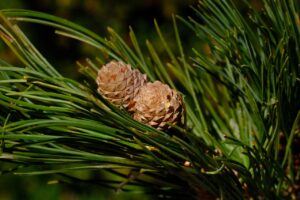
So, I’ve been noticing my Austrian pine isn’t exactly shooting up like I’d hoped. It turns out, these trees can be a bit fussy, and a few things can really put the brakes on their growth.
One of the biggest headaches I’ve run into is pests and diseases. It seems like these trees are magnets for trouble. I’ve read about things like the Zimmerman pine moth, European pine sawfly, and even pine bark adelgids. These little critters can really weaken the tree, making it more susceptible to other issues and, you guessed it, slowing down growth. Then there are the fungal diseases. Diplodia tip blight is a common one, and it can really make the new growth look sad and brown. Dothistroma needle blight is another one that can cause needles to turn yellow and drop off. It’s a real bummer when you see your tree struggling like that.
Here’s a quick rundown of some common culprits:
- Insects: Zimmerman pine moth, European pine sawfly, pine bark adelgid, conifer spider mites.
- Fungal Diseases: Diplodia tip blight, Dothistroma needle blight, various wood rots.
- Environmental Stress: While they’re known for being tough, extreme conditions like heavy snow loads on branches or prolonged dry spells can still cause damage and slow things down.
Honestly, the susceptibility to these problems is why you don’t see Austrian pines recommended in many areas anymore. It’s a shame because when they’re happy, they’re really striking trees. But if you’re dealing with a lot of these issues, it can be frustrating and definitely impacts how fast they grow.
Dealing with these problems often means a lot of hands-on care. For insects, sometimes spraying with horticultural oil can help, but that’s tough on a big tree. For diseases, removing affected branches is key, and sometimes fungicides can slow the spread, but it’s a constant battle. It feels like a lot of work just to keep the tree healthy, let alone encourage it to grow faster.
Is the Austrian Pine Right for You? Final Thoughts on Austrian Pine Growth Rate
So, after all this talk about how fast or slow the Austrian pine growth rate is, and all the things that can affect it, I’ve got to ask myself: Is this tree really the best choice for my yard? It’s a tough question, and honestly, it depends a lot on where you live and what you’re looking for.
I’ve learned that while the Austrian pine can be a real trooper, especially in tough city environments where it can handle pollution and salty air, it’s not without its issues. The biggest thing that gives me pause is its susceptibility to diseases like tip blight. It seems like in many parts of the U.S., planting this tree is a gamble because of that. It’s definitely something I’d want to check with my local extension office about before even thinking about putting one in the ground.
Here’s a quick rundown of what I’m considering:
- Pros: It’s pretty hardy, can handle some rough conditions, and has a nice, full look, especially when it’s younger. It can grow to be a decent size, offering good shade.
- Cons: Disease is a major concern, and it can be prone to insect problems, too. It needs full sun to really thrive and avoid fungal issues.
- Growth: It’s not a super-fast grower, usually adding about 12 to 18 inches a year, which is moderate. It’s not going to give you instant shade, but it’s not going to take over your yard overnight either.
If I lived in an area where tip blight isn’t a big problem, and I had a spot with plenty of sun and well-draining soil, I might consider it. But the risk of losing the tree to disease makes me hesitant. I’d rather plant something that’s known to be more disease-resistant in my specific region.
For me, the potential headaches with diseases and pests outweigh the benefits, especially when there are other evergreens out there that might offer similar looks with fewer problems. It’s a beautiful tree, no doubt, but I think I’ll be looking at alternatives like the Lacebark Pine if I want that urban-friendly vibe without the constant worry.
So, How Fast Is the Austrian Pine Growth Rate?
Alright, so after digging into the Austrian pine, I’ve learned it’s not exactly a speed demon when it comes to growing. We’re talking about a moderate pace, usually around 12 to 18 inches a year. It’s not going to shoot up overnight, but it does grow steadily. It’s pretty tough, though, handling tough spots like city pollution or salty air, which is pretty cool. Just remember, if you’re looking for a super-fast privacy screen, this might not be your guy. But for a solid, long-lasting tree that can handle a lot, it’s definitely worth considering. I’m still weighing my options for my own yard, but it’s good to know what I’m getting into.
Frequently Asked Questions
How fast does an Austrian pine tree typically grow each year?
I’ve found that Austrian pines usually grow about 12 to 18 inches taller every year. Of course, this can change based on the conditions it’s growing in.
What are the main issues that can slow down my Austrian pine’s growth?
I’ve learned that things like diseases, especially tip blight, and insect problems can really slow down how fast my Austrian pine grows. Sometimes, even heavy snow can damage branches and affect their growth.
Can I do anything to help my Austrian pine grow faster?
I’ve read that making sure it gets full sun and has well-draining soil helps a lot. Sometimes, a little bit of evergreen fertilizer when it’s young can give it a boost, but I try not to overdo it.
How does the soil affect how quickly my Austrian pine grows?
I’ve noticed that while Austrian pines can handle tough soils like clay or sand, they grow best when the soil is deep, moist, and drains well. They’re pretty adaptable, though!
Is there a specific time of year that’s best for my Austrian pine to grow the most?
I haven’t seen a huge difference, but generally, pines like the Austrian pine do well when planted in warmer soil, so late summer can be a good time to plant. For growth itself, it’s pretty consistent throughout the growing season.
What’s the typical mature size of an Austrian pine, and how long does it take to reach it?
I expect my Austrian pine to reach a height of about 40 to 60 feet and spread 20 to 40 feet wide. It’s considered a medium grower, so it takes its time to get there, but it can live for a very long time, even up to 200 years if it stays healthy.