
Box Elder Tree Identification by Leaves, Bark, and Seeds
- December 25, 2025
- By Wayne Ridge
Ever stumbled upon a tree and wondered, ‘What is that thing?’ You’re not alone. Figuring out tree species can be tricky, especially with trees like the box elder. They pop up everywhere, and while they might not be the most glamorous tree on the block, knowing how to spot one is pretty handy. This guide is all about making box elder tree identification simple, using the clues the tree itself gives you – its leaves, bark, and those distinctive seeds. We’ll break down what to look for so you can confidently identify a box elder, whether you’re out for a walk or just curious about your backyard.
What Is a Box Elder Tree? An Overview for Identification
Alright, let’s talk about the box elder tree. You might know it by other names like ash-leaved maple, Manitoba maple, or even river maple. It’s a type of maple, but it’s a bit of an oddball in the family. Unlike most maples with simple leaves, the box elder has compound leaves, meaning it has multiple leaflets on a single stem. This is a pretty big clue right off the bat when you’re trying to figure out if you’re looking at a box elder.
These trees are super adaptable and can grow just about anywhere, though they really seem to love hanging out near water. They’re known for growing pretty fast, especially when they’re young, and they can get to be a decent size, sometimes reaching up to 65 feet tall. However, they’re not exactly known for their strength; their wood is on the weaker, more brittle side, so they can be prone to breaking, especially in storms. Because of this, they’re often not the first choice for landscaping in urban areas, and some places even consider them a bit of a nuisance tree.
Here are a few quick things to keep in mind:
- Leaf Type: Compound leaves, usually with 3 to 7 leaflets that look a bit like ash leaves.
- Growth Habit: Fast-growing, often with a somewhat messy or irregular shape.
- Wood Strength: Relatively weak and brittle.
- Habitat: Thrives in moist areas but is very adaptable.
While they might not be the most prized tree for their lumber or their sturdy structure, box elders do play a role in the environment. They’re good at holding soil along riverbanks and provide food and shelter for various wildlife, especially since their flowers bloom early, which is a bonus for pollinators.
So, when you’re trying to identify one, look for those unique compound leaves, notice how it’s growing, and don’t be surprised if it has a bit of a wild, unkempt look to it. It’s a tree that’s definitely got its own character.
Why Accurate Box Elder Tree Identification Matters
So, why bother with correctly identifying a box elder tree? Well, it turns out there are a few good reasons. For starters, these trees can be a bit of a wild card. They grow fast and can get pretty big, but they also have this reputation for being a bit messy and having weak branches that break easily. Knowing it’s a box elder helps you understand its potential downsides, like if it’s planted too close to a house or a sidewalk.
Plus, box elders have a particular knack for attracting box elder bugs. While these bugs aren’t usually harmful to the tree itself, they really like to find their way into homes, especially when it gets cold. If you’re seeing a lot of these bugs around, and you’ve got a tree that looks like a box elder, you’ve probably found your culprit. Knowing this can help you prepare for them before they decide your living room looks like a cozy winter vacation spot.
Here’s a quick rundown of why getting the ID right is helpful:
- Pest Management: Understanding if you have box elders helps anticipate and manage box elder bug infestations. These bugs are drawn to the tree’s seeds and sap.
- Property Management: Their brittle wood means they can be a hazard in storms. Knowing you have one helps you assess potential risks to your property or power lines.
- Ecological Understanding: Box elders are tough trees that can grow in tough spots. Identifying them helps you understand the local plant life and how it adapts to different environments.
Sometimes, what looks like a common weed might actually be a tree with specific traits that affect your yard or garden. Being able to spot a box elder means you’re not caught off guard by its rapid growth, its tendency to drop seeds everywhere, or the occasional swarm of its namesake bugs looking for a warm place to hang out.
Also, if you’re dealing with landscaping or even just trying to figure out what’s growing on your property, knowing if it’s a box elder versus another type of tree can save you some headaches down the line. They have different needs and can cause different issues, so a correct ID is really the first step.
Box Elder Tree Identification by Leaf Shape, Color, and Arrangement
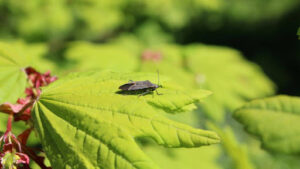
When you’re trying to spot a box elder, the leaves are a pretty good place to start. They’re not like your typical maple leaves with those pointy lobes. Instead, box elder leaves are compound, meaning they have multiple leaflets on a single stem. Think of it like a hand with fingers, but the “fingers” are leaflets. Most of the time, you’ll see three to five leaflets, but sometimes there can be seven or even nine.
These leaflets themselves can be a bit varied. They’re usually oval or somewhat egg-shaped, and the edges aren’t smooth. They’ve got these coarse, irregular lobes and are often serrated, meaning they have little teeth along the edges. The top side of the leaflet is a light green, while the underside is a paler, grayish-green. The leaf stems, or petioles, can sometimes turn a bit reddish as they mature.
One of the most distinctive things about box elder leaves is how they’re arranged on the branch. Unlike many other maples, where leaves grow directly opposite each other, box elders have an opposite or subopposite arrangement. This means they either grow directly across from each other or slightly staggered. This is a key detail that helps set them apart from other trees that might look similar at first glance.
Here’s a quick rundown:
- Leaf Type: Compound (odd pinnately compound)
- Number of Leaflets: Usually 3-5, sometimes 7-9
- Leaflet Shape: Oval to ovate to lanceolate, with lobed and serrated margins
- Arrangement on Stem: Opposite or subopposite
- Color: Light green on top, paler grayish-green underneath
It’s easy to get confused, especially with younger trees. The way the leaflets are shaped and arranged can sometimes make people think of poison ivy or wafer ash. But remember, box elders always have those opposite leaves, which is a big clue.
In the fall, the leaves put on a bit of a show, turning shades of yellow and orange before they drop. This color change can also be a helpful identifier as the seasons change.
Seasonal Changes in Box Elder Leaves for Easier Identification
Box elder leaves, while distinctive, also change a bit throughout the year, which can actually help you nail down your identification. It’s not like they put on a whole new outfit, but there are subtle shifts.
In the spring and summer, the leaves are a pretty standard green. They’re compound, meaning each leaf stalk has several leaflets, usually three to seven, but five is super common. These leaflets are generally toothed or lobed, kind of like a maple leaf, but more spread out and often a bit more jagged.
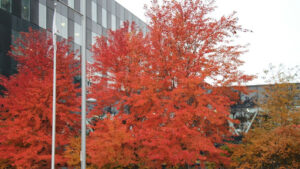
As fall rolls around, don’t expect a big, flashy show from box elder leaves. They don’t turn vibrant reds or oranges like some other maples. Instead, they tend to go for a more muted palette. You’ll typically see them shift to a pale, dull yellow, and honestly, they often drop pretty early in the season. This lack of a dramatic fall color is actually a clue in itself. If you’re looking at a tree with leaves that are already falling off and just turning a washed-out yellow, it might just be a box elder.
Here’s a quick rundown of what to look for:
- Spring/Summer: Green leaves, usually with 3-7 leaflets (most often 5). Leaflets are toothed or lobed.
- Autumn: Leaves turn a pale, dull yellow. They tend to drop earlier than many other trees.
- Winter: No leaves, but the twigs and seeds (samaras) will be present, which are also good identification markers.
The early leaf drop and subdued fall color are key characteristics. While other trees are putting on a vibrant display, the box elder is often already shedding its foliage, leaving behind bare branches and its distinctive winged seeds.
Box Elder Tree Identification by Bark Texture and Color
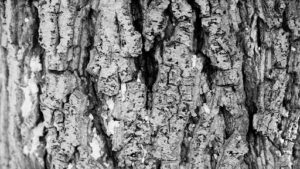
When you’re trying to spot a box elder, don’t forget to check out its bark. It’s not the flashiest feature, but it can definitely help you tell it apart from other trees. Young box elders tend to have smoother bark, often a light brown or grayish-brown color. As the tree gets older, though, the bark starts to develop furrows and ridges. It can become quite rough and deeply grooved, especially on the trunk.
The bark on mature box elders is typically a medium to dark brown and can look a bit scaly or even corky in places. It’s not usually as deeply furrowed as, say, an oak, but it’s definitely not smooth anymore. Sometimes, you might notice some greenish or grayish lichen growing on the bark, which is pretty common for many trees, including box elders.
Here’s a quick rundown:
- Young Trees: Smooth, light brown to grayish-brown.
- Mature Trees: Develops furrows and ridges, medium to dark brown, can be scaly or corky.
- Overall: Generally not as deeply grooved as some other common trees.
It’s worth noting that the bark can sometimes have a slightly unpleasant smell when wet, which is a bit of a quirky characteristic of the box elder. While bark alone might not be enough for a definitive ID, especially on younger trees, it’s a solid piece of the puzzle when you’re looking at the whole picture. It’s one of those details that, when combined with leaf shape and seed type, really solidifies your identification. If you’re interested in trees that have more visually striking bark, you might want to look into species for new neighborhoods.
Keep in mind that environmental factors can influence bark appearance. Things like the tree’s age, its growing conditions, and even disease or insect damage can alter how the bark looks. So, while these general descriptions are helpful, always look at the bark in context with other identifying features.
How to Identify Box Elder Trees by Seeds
Alright, let’s talk about the seeds, or samaras, of the box elder tree. These are a pretty good giveaway, especially if you know what to look for. They’re not exactly the most beautiful seeds out there; some people say they look like little propellers or even dirty brown socks hanging in clusters. But hey, they get the job done for the tree!
The most distinctive feature of box elder seeds is that they hang in clusters of pairs, forming a sort of ‘V’ shape. Each seed has a wing attached, which helps it spin and travel on the wind. You’ll usually find these seeds on the female trees, and they tend to stick around for a good while, often through the winter. This persistence is a big clue, especially when other trees have dropped their seeds.
Here’s a quick rundown of what to expect from box elder samaras:
- Appearance: They come in pairs, joined at the base, with a single wing on each seed. Think of a tiny, two-bladed propeller.
- Arrangement: They hang in long, loose clusters, not just single pairs.
- Timing: You’ll see them develop in spring and often remain on the tree well into winter.
- Viability: Box elders are prolific seeders, and most of their seeds are viable, meaning they’re ready to sprout.
It’s worth noting that box elder seeds can be a problem for horses. If ingested, they can cause a condition called “equine leukoencephalomalacia,” which is pretty serious. So, if you have horses, keep them away from areas with lots of box elder trees, especially when the seeds are falling.
While the samaras are a key identification feature, remember that box elders are dioecious, meaning individual trees are either male or female. Only the female trees produce these seeds. The male trees have flowers that are yellowish-green and less noticeable, appearing in drooping clusters.
Box Elder Tree Identification by Twigs, Buds, and Branching Pattern
Alright, let’s talk about the twigs, buds, and how a box elder tree branches out. It’s another good way to spot one, especially when the leaves are gone.
The twigs on a box elder are usually pretty distinctive. They’re not super thin, but not thick and chunky either – kind of in the middle. When they’re young, they’re often a bright green or maybe a bit olive-colored. As they get older, they start to turn more brownish or even a purplish hue. What really stands out are these little white speckles, called lenticels, that are scattered all over the twigs. Sometimes, these twigs can look a bit frosty or have a powdery coating, which is called glaucous. It gives them a slightly muted look.
When you look at where a leaf was attached, you’ll see a leaf scar. On box elders, these scars are usually shaped like a crescent moon, and they’re pretty big. They almost wrap all the way around the twig, which is a helpful clue.
Now, for the buds. The main bud at the tip of a twig, the terminal bud, is usually about 5 millimeters long. It’s often covered in fine white hairs and tends to be a bit blunt, not sharp or pointy. The buds along the sides of the twig, the lateral buds, are usually flattened right against the stem. They don’t stick out much.
As for the branching pattern, box elders can be a bit all over the place. They don’t always grow in a perfectly straight, upright way. You might see them with branches that spread out a bit more irregularly. This can be due to their somewhat brittle wood, which can break in storms, leading to a less uniform shape.
Here’s a quick rundown:
- Twigs: Green to olive, turning brownish/purple. Look for noticeable white speckles (lenticels).
- Buds: Terminal buds are hairy and blunt; lateral buds are flattened.
- Leaf Scars: Crescent-shaped and prominent, nearly encircling the twig.
- Branching: Can be somewhat irregular, not always a neat, upright form.
You might notice that box elder twigs can sometimes have a slightly fuzzy or frosted appearance, especially when they’re young. This waxy coating can make them feel a bit different to the touch compared to other trees.
It’s worth noting that the twigs and buds are often the easiest features to check out in the late fall, winter, or early spring when there are no leaves to get in the way. So, if you’re trying to identify a tree during those times, pay close attention to these details!
Male vs. Female Box Elder Trees: Key Identification Differences
So, you’re trying to figure out if that box elder tree in your yard is a boy or a girl? It’s actually pretty straightforward once you know what to look for, and it mostly comes down to the flowers and, consequently, the seeds. Female box elder trees are the ones that produce those distinctive winged seeds, called samaras.
Male and female box elders are what we call dioecious, meaning each tree has either male or female flowers, but not both. These flowers show up in the spring, usually around the same time the new leaves start to unfurl. Male flowers tend to hang down in droopy, greenish-yellow clusters that can look a bit like wispy tassels. They’ve got stamens that are usually light brown. Female flowers, on the other hand, also appear in dangling clusters, but their main feature is the lime-green pistil. After pollination, these female flowers develop into the samaras that we often see. If you don’t see any of these seed-bearing structures, chances are you’re looking at a male tree.
Here’s a quick rundown:
- Male Trees: Produce drooping, greenish-yellow flowers with stamens. They don’t make seeds.
- Female Trees: Produce greenish-yellow flowers with pistils that develop into paired, winged samaras. These are the trees that will spread seeds.
It’s also worth noting that female trees are the ones that attract boxelder bugs. While these bugs aren’t usually harmful to the tree itself, they do have a habit of looking for warm spots to overwinter, which often means your house.
The presence or absence of samaras is the most obvious way to tell the difference. If you see those “helicopter” seeds hanging in pairs, you’ve got a female. Male trees just don’t produce them, plain and simple. This difference is key if you’re trying to manage seed spread or understand why you might be seeing more boxelder bugs around one particular tree.
Remember, box elder trees are prolific seed producers, with most seeds capable of growing into new trees. Interestingly, unlike most maple species,Box Elders require both male and female trees to produce seeds.
Common Look-Alike Trees and How to Tell Them Apart
So, you think you’ve spotted a box elder, huh? It’s easy to get them mixed up with other trees, especially when they’re young or when you’re just glancing. The biggest confusion usually comes from their leaves. Because box elders have compound leaves – meaning each leaf is made up of several smaller leaflets – they can look a lot like poison ivy. Seriously, the three-leaflet arrangement is uncanny.
But here’s the kicker: box elders are maples, and maples have opposite leaf arrangements on the stem. Poison ivy, on the other hand, has alternate leaf arrangements. It’s a small detail, but it’s a big clue.
Another tree that sometimes gets mistaken for a box elder is wafer ash (also known as Ptelea trifoliata). Wafer ash also has compound leaves, but they tend to be more rounded and have a different smell when crushed – a bit like hops or citrus, not the sometimes unpleasant odor of a box elder. Plus, wafer ash seeds are flat and disc-like, not the distinctive winged samaras of the box elder.
Here’s a quick rundown to help you sort them out:
- Box Elder (Acer negundo): Compound leaves (usually 3-5 leaflets), opposite leaf arrangement, winged seeds (samaras).
- Poison Ivy (Toxicodendron radicans): Compound leaves (usually 3 leaflets), alternate leaf arrangement, small white berries (not winged seeds).
- Wafer Ash (Ptelea trifoliata): Compound leaves (usually 3-5 leaflets), alternate leaf arrangement, flat, disc-like seeds.
Remember, while box elders are maples, they’re the only maple species with compound leaves. This unique trait is your best bet for distinguishing them from other maples, but it’s also what confuses them with plants like poison ivy. Always check the leaf arrangement – opposite for box elder, alternate for poison ivy, and wafer ash.
And don’t forget the seeds! Box elder seeds, or samaras, hang in pairs and look like little helicopter blades. If you see those, you’re almost certainly looking at a box elder. Other trees might have winged seeds, but the paired, drooping clusters are pretty specific to Acer negundo.
Habitat and Growing Conditions That Help With Box Elder Tree Identification
So, where do you usually find these box elder trees hanging out? Knowing their preferred spots can really help you nail down an ID, especially if you’re not totally sure about the leaves or bark.
Box elders are pretty tough and can grow in a lot of different places, but they really seem to love areas with plenty of moisture. Think along riverbanks, the edges of lakes, streams, and even swampy spots. They’re often found in floodplains too, where the soil is usually rich and damp.
While they can pop up in drier areas, like along fencerows or at the edge of woods, they’re not as common there. They don’t do well in deep shade, so you’ll usually spot them in more open areas.
Here’s a quick rundown of where you’re most likely to see them:
- Wetlands and Waterways: Riverbanks, stream sides, lake shores, and marshy areas are prime box elder territory.
- Disturbed Areas: They’re also quite common in places that have been messed with, like construction sites, vacant lots, or along roadsides. They’re survivors!
- Plains and Open Woodlands: You’ll find them scattered in prairies and at the edges of forests, especially in the western parts of North America.
It’s interesting how adaptable they are. While they thrive in moist, rich soil, they can also hang on in less-than-ideal conditions, which is why you see them popping up in urban settings or areas where other trees might struggle. This hardiness is a big clue to their identity.
They’re also known to grow pretty fast, especially when they’re younger, and they can handle a range of soil types, though they really prefer the good stuff. If you see a fast-growing tree that seems to be everywhere, especially near water or in disturbed ground, there’s a good chance it’s a box elder.
Box Elder Tree Identification in Different Growth Stages
Figuring out a box elder tree can change a bit depending on how old it is. When they’re just starting, box elders are pretty easy to spot if you know what to look for. Young trees often have that classic compound leaf structure, with leaflets that look a bit like ash leaves. The twigs on these saplings might have a greenish or purplish hue and can sometimes have a powdery, frosted look. It’s all about those compound leaves, though; that’s the biggest clue for box elder tree identification at any age.
As the tree gets a bit older, say in its first 15 to 20 years, it really starts to grow fast. You’ll notice the branching pattern becoming more prominent, and the bark will start to show some texture. It’s usually not deeply furrowed yet, but it’s definitely not smooth anymore. The leaves will still be the main identifier, but keep an eye on how quickly it’s growing – that’s a big hint for box elder tree identification.
Mature box elder trees, those that have passed their rapid growth phase, can be quite large, sometimes reaching up to 65 feet or even more. The bark on older trees tends to be grayish-brown and can develop shallow furrows. The branches might look a bit brittle, which is typical for box elders. Even in maturity, the leaf structure remains the most reliable feature for box elder tree identification. Remember those V-shaped seed clusters, the samaras? They hang around even on older trees, often persisting through winter, which is another good sign for box elder tree identification.
Here’s a quick rundown of what to expect:
- Seedlings/Saplings: Compound leaves (3-7 leaflets), smooth to slightly textured twigs, often with a glaucous (waxy) coating. Fast growth is noticeable.
- Young Trees (15-20 years): Leaves are the primary identifier. Twigs start to show more color change (green to purplish-brown). Bark begins to develop some texture.
- Mature Trees (20+ years): Larger size, bark becomes more furrowed (though not deeply), and branches may appear brittle. Samaras are a consistent feature, often visible year-round.
It’s important to remember that box elders are known for their rapid growth, especially when they are young. This quick development can sometimes make them look a bit unkempt or
Comparison With Similar Trees
It’s easy to get trees mixed up, especially when they’re young or when you’re just glancing. Boxelders can look a bit like other trees, so having a quick reference can be super helpful. Let’s break down some common look-alikes.
Key Differences at a Glance
| Feature | Box Elder (Acer negundo) | Ash Species (Fraxinus spp.) | Sumac (Rhus spp.) |
| Leaf Type | Compound, usually 3-5 leaflets, opposite arrangement | Compound, usually 5-11 leaflets, opposite arrangement | Compound, usually 9-23 leaflets, alternate arrangement |
| Leaflets | Often toothed, can be lobed, resembles poison ivy | Smooth or toothed edges, lance-shaped | Serrated edges, lance-shaped |
| Seeds | Paired, winged samaras in drooping clusters | Single-winged samaras (keys), often in dense clusters | Clusters of small, fuzzy, red drupes (berries) |
| Bark | Grayish-brown, ridged with age, often shallow furrows | Gray to brown, deeply furrowed or diamond-patterned | Smooth when young, becoming rough and ridged with age |
| Twigs | Green to purplish, glaucous coating, large crescent scars | Grayish-brown, stout, opposite branching, leaf scars U-shaped | Brownish-red, fuzzy, alternate branching, prominent lenticels |
Distinguishing Features to Watch For:
- Leaf Arrangement: This is a big one. Boxelders and Ash trees both have opposite leaves, meaning they grow directly across from each other on the stem. Sumacs, however, have alternate leaves, coming off the stem in a staggered pattern. If you see leaves coming off one side, then the other, it’s probably not a Boxelder or Ash.
- Leaflet Count: While Boxelders typically have 3-5 leaflets, Ash trees often have more, usually 5-11. Sumacs can have a lot more, sometimes up to 23 leaflets on a single leaf stem.
- Seed Type: The “helicopter” seeds of Boxelders are pretty distinctive. They hang in pairs in drooping clusters. Ash seeds are also winged but usually appear in more upright clusters. Sumacs don’t have winged seeds at all; they have fuzzy red berry-like clusters that persist through winter.
Remember that young trees can be tricky. Sometimes the best way to tell is to look at the overall growth habit, the bark on older sections, and especially the seeds if they’re present. Don’t get discouraged if it takes a few tries to get it right!
Quick Identification Checklist:
- Check the leaf arrangement: Opposite (Boxelder, Ash) or Alternate (Sumac)?
- Count the leaflets: Usually 3-5 (Boxelder), 5-11 (Ash), or many more (Sumac)?
- Look for seeds: Paired samaras (Boxelder), single samaras (Ash), or berry clusters (Sumac)?
- Examine the bark: Shallow ridges (Boxelder), deep furrows (Ash), or rough/ridged (Sumac)?
Looking for the right tree? We’ve put together easy-to-understand charts that compare different trees side-by-side. See which one fits your needs best! Visit our website to explore these helpful comparison tables and find your perfect tree match today.
Frequently Asked Questions
What makes the Box Elder tree stand out from other maple trees?
The Box Elder is a bit of a rebel in the maple family! Unlike most maples that have simple leaves, the Box Elder has compound leaves, meaning each leaf is made up of several smaller leaflets, usually 3 to 5. This unique feature is its most noticeable difference.
How can I tell if a Box Elder tree is male or female?
It’s all about the flowers and seeds. Female Box Elder trees produce noticeable, drooping clusters of seeds called samaras, which often stay on the tree all winter. Male trees have flowers that appear in spring but don’t produce these distinctive seed clusters.
What do Box Elder seeds look like?
Box Elder seeds are called samaras, and they look like little winged helicopters! They usually come in pairs, forming a V-shape, and hang in long clusters. You’ll often see them on the tree even when it’s cold outside.
Is the Box Elder tree good for planting in a yard?
While Box Elders grow quickly and can survive in tough spots, they’re often not the best choice for yards. Their wood is weak and can break easily in storms, and they produce a LOT of seeds, which can lead to unwanted seedlings everywhere. Plus, the female trees have messy-looking fruit.
What’s the bark of a Box Elder tree like?
When Box Elder trees are young, their bark is usually light brown or grayish and has shallow ridges. As the tree gets older, these ridges become deeper and more noticeable, giving the bark a rougher, furrowed appearance.
Do Box Elder leaves change color in the fall?
Yes, they do! Box Elder leaves typically turn a yellow or orange color in the fall. However, they aren’t usually considered as vibrant or ‘showy’ as the fall colors of some other maple trees, and they tend to drop fairly early.
Can Box Elder trees be mistaken for other plants?
Definitely! Because of their compound leaves, young Box Elder trees can sometimes be confused with poison ivy. They can also be mistaken for wafer ash. A good way to tell them apart is to look at how the leaves are arranged on the stem; Box Elder leaves are always opposite each other.
Where do Box Elder trees usually grow?
Box Elders are super adaptable and can grow in many places, but they really like wet areas like riverbanks and low-lying ground. They’re also common in plains and can be found along streets, especially in western North America.