
How Often to Water Juniper Bonsai: Overwatering Risk

- February 27, 2026
- By Wayne Ridge
So, you’ve got a juniper bonsai, and you’re wondering about watering. It’s a common question, and it can be tricky. Too much water, and you risk hurting the roots. Not enough, and well, that’s no good either. Figuring out how often to water juniper bonsai is key to keeping your little tree happy and healthy. Let’s break down what you need to know to get it right.
Understanding Juniper Bonsai Watering Needs
Alright, let’s talk about how often to water juniper bonsai and keep your juniper bonsai happy and hydrated. It’s not as complicated as it might seem, but you do need to pay attention. These little trees are different from your average houseplant, mostly because they live in small pots with soil that drains really well. This means they can dry out faster than you might expect.
Why Proper Watering is Crucial for Juniper Bonsai
Water is basically the lifeblood of your tree. Without the right amount, things go south pretty quickly. Too little, and the tree wilts. Too much, and you’ve got a whole other set of problems, mainly with the roots. Getting this balance right is probably the most important thing you’ll learn as a bonsai keeper. It’s not just about keeping the leaves green; it’s about the health of the entire tree, from the roots up.
Factors Influencing Watering Frequency
So, how often should you actually water? Honestly, no magic number works for every juniper bonsai, every day. It really depends on a few things:
| Factor | Description |
| The Weather | Hot, sunny, and windy days mean your tree will drink more. Cooler, cloudy days mean it’ll need less. If it’s raining, well, nature’s doing the watering for you. |
| Your Tree’s Pot and Soil | Smaller pots dry out faster. The type of soil mix you used also plays a big role in how quickly water drains away. |
| The Season | Junipers generally need more water during their active growing season (spring and summer) and less when they’re dormant in winter. |
| Location | Is your tree sitting in full sun all day, or is it in a spot with some shade? This makes a difference. |
Learning to read your tree and its environment is key. It takes a little practice, but you’ll start to get a feel for what your specific juniper needs. Don’t just stick to a schedule; observe your tree.
Think of it like this: you wouldn’t give a baby bird the same amount of food every single day, right? You check if it’s hungry. Your bonsai is kind of the same. You need to check the soil and see if it’s thirsty.
Signs Your Juniper Bonsai Needs Water
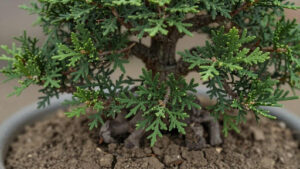
Figuring out when your juniper bonsai is thirsty is a bit of an art, but once you get the hang of it, you’ll be a pro. It’s not about sticking to a rigid schedule; it’s more about paying attention to what your tree is telling you. Overwatering is a big no-no for junipers, so knowing how often to water juniper bonsai is just as important as knowing how much.
Visual Cues: Soil and Foliage
Your juniper signals thirst when its soil looks lighter and feels dry, possibly pulling from the pot edges. Needles may lose vibrancy, appearing duller, though not necessarily drooping.
The Finger Test: A Reliable Method
Stick your finger about an inch into the soil. If the top layer feels dry, it’s likely time to water. If it feels damp, hold off.
Junipers dislike soggy soil; their roots need air. Wet conditions cause root rot, so err on the side of too dry.
Here’s a quick rundown of what to look for:
| Soil Color: | Becomes lighter when dry. |
| Soil Texture: | Feels dry and crumbly to the touch. |
| Foliage Appearance: | Needles might look a bit dull or less vibrant. |
| Pot Weight: | The pot will feel noticeably lighter when the soil is dry. |
The Dangers of Overwatering Juniper Bonsai
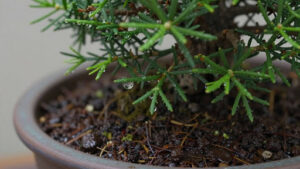
It might seem counterintuitive, but giving your juniper bonsai too much water can be just as bad, if not worse, than not watering it enough. Junipers, especially, don’t like having their roots sit in soggy soil. It’s a common mistake for beginners, and it can lead to some pretty serious problems for your little tree. Understanding how often to water juniper bonsai is crucial to avoid these issues.
Root Rot: The Most Common Consequence
Overwatering’s biggest issue is root rot. Prolonged wet soil deprives roots of air, creating a breeding ground for fungi and bacteria. These pathogens decay roots, causing a foul smell and hindering water/nutrient uptake, leading to further problems.
Other Signs of Overwatering
Beyond root rot, there are other ways your juniper might tell you it’s getting too much water. Keep an eye out for these:
| Sign | Description |
| Yellowing Leaves | While not always a direct sign, yellowing leaves can happen when roots are waterlogged and can’t absorb nutrients as they should. Sometimes the leaves might even turn brown and brittle. |
| Wilting Foliage | This one can be confusing because underwatered plants also wilt. However, with overwatering, wilting occurs because the roots suffocate and can’t function, not because they’re dry. |
| Fungus or Mold | You might see fuzzy white or black spots on the soil’s surface or even on the trunk. This is a clear indicator of a damp environment that’s too wet for the tree. |
| Slowed Growth | If your juniper just isn’t growing as it used to, and you’ve been watering it a lot, overwatering could be the culprit. |
Overwatering kills bonsai. Pots limit drainage, harming roots. Let the soil dry between waterings; avoid saturation. Balance is key: moist, not wet. Check the soil before watering; ensure drainage holes.
Best Practices for Watering Your Juniper Bonsai
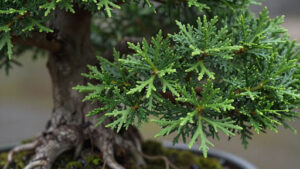
Alright, so you’ve got a juniper bonsai, and you’re trying to figure out the watering thing. It’s not super complicated, but you do need to pay attention.
Watering Technique: How to Do It Right
Water thoroughly until water runs out of the drainage holes. This ensures the root ball is well-hydrated and flushes salts. Use a watering can with a fine rose or a fine hose spray to avoid disturbing the soil.
| Water until it drains: | Always water until you see water coming out of the bottom. This is key. |
| Gentle application: | Use a fine spray to avoid washing away soil. |
| Check the soil first: | Don’t just water on a schedule. Feel the soil to see if it’s actually dry. |
Remember, junipers like their soil to dry out a bit between waterings. Consistently soggy soil is a fast track to root rot, which is pretty much the worst-case scenario for your little tree.
Seasonal Adjustments for Watering
Your juniper’s watering needs aren’t static; they change with the seasons. Think about it – when it’s hot and sunny, your tree will dry out way faster than when it’s cool and cloudy.
| Season | Watering Frequency | Notes |
| Spring | Moderate to High | Increased growth, more evaporation |
| Summer | High | Hottest temperatures, fastest drying |
| Autumn | Moderate | Cooling temperatures, slower drying |
| Winter | Low | Dormant period, minimal drying |
It takes a little practice to get the hang of it, but once you start paying attention to your specific tree and its environment, you’ll get a feel for what it needs. Happy watering!
Keeping your Juniper bonsai happy and healthy involves giving it the right amount of water. Too much or too little can cause problems. Generally, you’ll want to water when the top inch of soil feels dry to the touch. Make sure water drains freely from the bottom of the pot. For more detailed tips on watering schedules and techniques, visit our website today!
Frequently Asked Questions
What happens if I water my Juniper Bonsai too much?
Overwatering your Juniper Bonsai causes root rot, leading to decaying roots, yellowing leaves, wilting, and potential mold growth on the soil.
How can I tell if my Juniper Bonsai needs water?
If the topsoil is dry, the plant is thirsty. Dull or drooping leaves and a lighter pot also indicate a need for water.
What’s the best way to water a Juniper Bonsai?
Soak the entire soil ball until water drains out the bottom. This waters all roots; avoid just sprinkling the top.
Can Juniper Bonsai be kept indoors?
No, Juniper Bonsai need to live outside year-round for sunlight and fresh air; they can’t survive indoors.
What should I do during different seasons?
In warmer months, the water is more often due to heat and the sun. In colder months, especially winter, water much less, letting the soil dry out more between waterings, but protect from freezing.