
Spider Mites vs Aphids: Damage Signs on Plants

- February 5, 2026
- By Wayne Ridge
When you’re trying to figure out if your plants are under attack by spider mites or aphids, knowing what to look for is key. These tiny pests can cause a lot of damage, and sometimes it’s hard to tell them apart. Let’s start with spider mites. These aren’t actually insects; they’re more closely related to spiders and ticks. They’re super small, often hard to see with the naked eye, and they love warm, dry conditions. You’ll usually find them hanging out on the undersides of leaves.
Understanding Spider Mites
What are Spider Mites?
Spider mites are minuscule arachnids, typically no bigger than a pinhead. They come in various colors, like red, brown, yellow, or green, depending on the species and what they’ve been eating. Because they’re so tiny, spotting them can be a real challenge. They have eight legs, unlike insects, which have six. Their small size and preference for hiding make them sneaky invaders.
Common Signs of Spider Mite Infestation
Spotting a spider mite problem often involves looking for the damage they leave behind rather than the mites themselves. It’s a bit like detective work for your garden.
| Sign | Description |
| Stippling | The mites pierce plant cells and suck out the juices. This leaves tiny, light-colored dots on the leaves, making them look speckled or dusty. |
| Webbing | Some species of spider mites, like the two-spotted spider mite, spin fine, silken webs. You might see these delicate webs covering leaves, stems, or even small branches, especially in heavy infestations. It’s a sure sign you’ve got a problem. |
| Yellowing and Browning | As the mites feed, the leaves will start to lose their color. They’ll turn yellow, then bronze, and eventually dry up and fall off. This can happen quite rapidly if the infestation is severe. |
| Reduced Plant Vigor | Plants under attack will often look generally unhealthy. They might grow more slowly, produce fewer flowers or fruits, and just seem weak overall. |
It’s easy to mistake early spider mite damage for something else, like underwatering or nutrient deficiency. Always check the undersides of leaves closely for those tell-tale stipples and any signs of webbing. This is where the spider mites vs aphids comparison really starts to show differences between spider mites vs aphids.
Webbing is a key difference between spider mites and aphids; aphids don’t spin webs. Fine silken threads indicate spider mites. Stippling damage is also more characteristic of spider mites than the distorted growth from aphids. Recognizing these differences is crucial for tackling infestations.
Understanding Aphids
What are Aphids?
Aphids are tiny, soft-bodied insects that can be a real nuisance in the garden. They come in a variety of colors, like green, yellow, black, brown, or even pink, and are usually no bigger than a pinhead. You’ll often find them clustered on new growth, stems, and the undersides of leaves. These little pests feed by sucking the sap out of plants, which can really weaken them over time. They reproduce at an astonishing rate, especially in warm weather, so a small problem can quickly become a big one if you’re not careful.
Common Signs of Aphid Infestation
Spotting aphids early is key to keeping them from taking over your plants. Look out for these common signs:
| Sign | Description |
| Sticky Residue | As aphids feed, they excrete a sugary substance called honeydew. This sticky stuff can coat leaves and stems, and it often attracts ants, which actually ‘farm’ aphids for their honeydew. You might also notice sooty mold growing on the honeydew, which looks like a black, powdery coating. |
| Distorted Growth | When aphids suck the sap from new leaves and stems, it can cause them to curl, twist, or become deformed. Buds might fail to open properly, and overall plant growth can look stunted or unhealthy. |
| Visible Insects | Sometimes, you’ll just see them! Check the undersides of leaves and the tips of new shoots. They tend to hide in places where the plant is actively growing and tender. |
| Yellowing Leaves | A heavy aphid infestation can drain a plant of its vital fluids, leading to leaves turning yellow and eventually dropping off. |
Aphids are pretty sneaky. They often hang out where you’re least likely to look, like the very tips of new growth or tucked away on the underside of leaves. Their small size and tendency to cluster mean you might not notice them until the damage is already pretty obvious. Keep an eye out for that tell-tale sticky honeydew, too – it’s a big clue they’re around, even if you can’t see the bugs themselves right away.
Key Differences in Damage
Visual Appearance of Damage
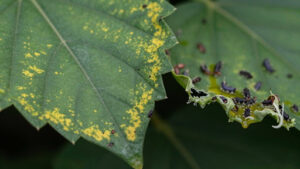
So, you’ve noticed some unusual signs on your plants. How can you determine if spider mites or aphids are the culprits? It’s not always straightforward, but there are indicators. Spider mites, due to their minuscule size, frequently result in a stippling pattern on the leaves. Imagine numerous tiny dots, typically yellow or bronze, marking where they’ve fed on the plant’s sap. You might also observe very fine webbing, particularly on the leaf undersides or along the stems, resembling a faint dusting or silk. Aphids, conversely, are more conspicuous. They tend to congregate on new growth, flower buds, and the undersides of leaves, and are often visible to the naked eye – they are small, pear-shaped insects. Their feeding can lead to leaf curling, deformation, or yellowing. Additionally, aphids often excrete a sticky substance known as honeydew, which can subsequently attract sooty mold. Therefore, look for stippling and webbing to identify mites, and visible clusters, distorted growth, and sticky residue to identify aphids.
Location of Damage on Plants
Where you find the damage can also be a hint. Spider mites, especially as the infestation gets worse, tend to spread all over the plant, but they often start on the lower leaves and work their way up. They really like the undersides of leaves because it’s a bit more protected. If you see webbing, it’s almost always on the undersides or in tight spots where the leaves meet the stem. Aphids, though, are usually more concentrated. They love to hang out on the tender, new growth – the tips of stems, flower buds, and the newest leaves. They’re basically going for the freshest, juiciest parts of the plant. So, if you see damage primarily on the very tips and buds, it’s more likely aphids. If it’s more widespread, starting lower down, and you see that fine webbing, spider mites are a strong possibility.
Impact on Plant Growth
Both pests can really mess with your plants, but the way they do it and the overall effect can differ. A bad spider mite infestation can lead to leaves turning yellow, then brown, and eventually dropping off. The plant can look generally stressed and weak, and in severe cases, it can stunt growth or even kill the plant. It’s like the plant is slowly being drained. Aphids, because they often target new growth and buds, can prevent flowers from opening or cause fruits to become deformed. The honeydew they produce can also lead to secondary problems like sooty mold, which blocks sunlight and further weakens the plant. While both can cause yellowing, the distortion of new growth and the presence of sticky honeydew are more characteristic of aphid problems.
It’s easy to get overwhelmed when you see pests on your plants, but taking a moment to look closely at the type of damage can really help you figure out what you’re dealing with. This careful observation is the first step to getting rid of them effectively.
Here’s a quick rundown:
- Spider Mites: Look for stippling (tiny dots), fine webbing, and damage often starting on lower leaves and spreading.
- Aphids: Look for visible bugs in clusters, distorted new growth, curled leaves, and sticky honeydew.
- Webbing: A strong indicator of spider mites.
- Honeydew: A strong indicator of aphids.
Preventing and Managing Infestations
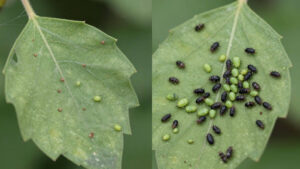
Dealing with spider mites and aphids is a bit of a battle, but there are definitely ways to keep them in check. The first line of defense is often just keeping an eye on your plants. Regular inspection, especially of the undersides of leaves, can catch an infestation early before it gets out of hand. Think of it like checking for weeds in your garden; a little bit of effort regularly saves a lot of work later.
When you do spot them, acting fast is key. For smaller infestations, you might be able to just wipe them off or blast them with a strong spray of water. It sounds simple, but it can be surprisingly effective, especially for knocking aphids off pepper plants. If things are a bit more serious, insecticidal soaps or horticultural oils are good options. They work by suffocating the pests, and they’re generally less harsh on beneficial insects than some stronger chemicals.
Here are some practical steps you can take:
| Action | Description |
| Improve plant health | Healthy plants are less attractive to pests. Make sure your plants are getting the right amount of water, sunlight, and nutrients. Stressed plants are like an open invitation. |
| Introduce beneficial insects | Ladybugs, lacewings, and predatory mites are natural enemies of both spider mites and aphids. You can often buy these online or encourage them to visit your garden by planting certain flowers. |
| Prune affected areas | If a branch or leaf is heavily infested, sometimes the best thing to do is simply remove it. Dispose of it away from your other plants to prevent spreading. |
| Use barriers | For some plants, especially in containers, you can use sticky barriers around the pots or stems to prevent pests from climbing up. |
Regularly cleaning up plant debris around your plants can also make a big difference. This removes hiding places for pests and their eggs. It’s amazing how much difference a little tidiness can make in the garden.
Sometimes, you might need to resort to more targeted treatments. Neem oil is a popular choice because it disrupts the pests’ life cycle and acts as a repellent. Always follow the product instructions carefully, though, and test on a small part of the plant first to make sure it doesn’t cause any damage. Remember, the goal is to manage, not necessarily to eradicate every single bug. A few pests are usually not a big deal, but letting them multiply is where the real trouble starts.
Conclusion: Protecting Your Plants
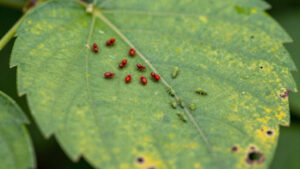
So, we’ve talked about spider mites and aphids, and how to spot the damage they do. It’s pretty clear they’re different critters with different habits, and that means we need different approaches to keep them in check. Early detection is really the name of the game here. Catching an infestation when it’s small makes dealing with it so much easier.
When you’re out checking your plants, keep these things in mind:
- Regularly inspect the undersides of leaves. This is where both pests love to hang out.
- Look for those tell-tale signs we discussed – stippling, webbing, sticky honeydew, or distorted growth.
- Don’t forget to check your tools and even yourself after working with plants that might be infested.
Dealing with pests doesn’t have to be a huge chore. Sometimes, simple things make a big difference. For instance, if you’re growing peppers, you might want to look into ways to increase humidity around them, as spider mites really don’t like that.
Here’s a quick rundown of what to do if you find something:
- Isolate: If you spot pests on one plant, move it away from others to stop the spread.
- Clean: Gently wipe down leaves with a damp cloth or spray with water. For tougher cases, a horticultural soap or neem oil can be effective.
- Encourage: Invite beneficial insects like ladybugs or lacewings into your garden. They’re natural predators and can help keep pest populations down.
Remember, a healthy plant is a more resilient plant. Good soil, proper watering, and enough sunlight all contribute to a plant’s ability to fight off pests on its own. Think of pest control as part of good plant care, not just a reaction to a problem.
By staying vigilant and using the right methods, you can keep your plants looking their best and free from the damage caused by these common garden nuisances.
Taking good care of your plants means they’ll stay healthy and look great. Simple steps can make a big difference in keeping them strong. For more tips and to get expert help, visit our website today!
Frequently Asked Questions
How can I tell if my plant has spider mites?
Look for tiny dots, fine webbing, or speckled/spotted leaves (yellow/brown). Tiny mites may be visible, especially on leaf undersides.
What do aphid damage signs look like?
Aphids are small, pear-shaped bugs on new growth/leaf undersides, leaving sticky honeydew that attracts ants and sooty mold. Leaves may curl/deform.
Are spider mites and aphids the same thing?
No, they are different pests. Spider mites are actually tiny arachnids, related to spiders, and they spin webs. Aphids are small insects that tend to cluster together and suck sap from plants.
Where do spider mites usually hide on a plant?
Spider mites prefer the undersides of leaves, especially in dry, warm conditions. They like to set up their webs there, making it a safe spot for them to feed and reproduce.
Where do aphids typically attack plants?
Aphids love tender new growth. You’ll often find them on the tips of stems, on young leaves, and on flower buds where the plant is most vulnerable and has the most juice to suck.
What is ‘honeydew’ from aphids?
Honeydew is a sugary liquid that aphids excrete after feeding on plant sap. It’s sticky and clear, and while it doesn’t harm the plant directly, it can lead to other problems like mold and attract ants.
Can spider mites kill a plant?
Yes, if an infestation gets really bad and isn’t treated, spider mites can weaken a plant significantly. They suck the life out of the leaves, causing them to turn yellow, then brown, and eventually fall off, which can lead to the plant’s death.
Can aphids kill a plant?
While less likely to kill a healthy, mature plant outright than a severe spider mite infestation, a large aphid population can severely stunt growth, deform leaves and flowers, and transmit plant diseases, which can be fatal over time.
How do I get rid of spider mites?
You can try washing them off with a strong spray of water, using insecticidal soap or neem oil, or introducing beneficial insects like ladybugs. For bad cases, a miticide might be needed.
How do I get rid of aphids?
Similar to spider mites, a blast of water can dislodge them. Insecticidal soap and neem oil are also effective. Ladybugs and lacewings are natural predators that love to eat aphids.
Are there ways to prevent spider mites and aphids?
Keeping plants healthy is key! Avoid over-watering or letting plants get too dry. Inspect new plants before bringing them home. Encourage beneficial insects in your garden. Sometimes, spraying plants with water regularly can help keep populations down.
What’s the main difference in how they damage plants?
Spider mites cause stippling and webbing, making leaves look dusty or bronzed. Aphids cause distortion, curling, and leave behind sticky honeydew. Spider mites weaken the plant by draining sap, while aphids also drain sap and can spread diseases.