
Northern Red Oak Growth Rate and Mature Height

- February 13, 2026
- By Wayne Ridge
Considering a Northern Red Oak? These impressive trees grow fast, reaching about 2 feet per year when young. The northern red oak growth rate is impressive, with a mature height of 60-75 feet and a 50-75 foot spread. They prefer full sun, good soil, and consistent water.
Understanding the Northern Red Oak
The Northern Red Oak, common in eastern North America, is a popular, tough, and adaptable tree for yards and streets. Its fall foliage displays striking red and bronze hues.
It’s a tree that really stands out, not just for its looks but also for its usefulness.
Here’s a quick rundown of what makes this oak special:
| Appearance: | Rounded shape, dense foliage, deep green waxy leaves with pointed lobes. Bark ages from smooth to deeply ridged. |
| Wildlife Value: | Acorns feed birds, squirrels, deer, and bears; provides shelter/nesting. |
| Wood: | Hard, strong, reddish-brown; used for flooring, furniture, and railroad ties. |
A national treasure, this fast-growing tree handles city life well, offering substantial size without a long wait. Northern Red Oaks live 150+ years (up to 250), are forgiving with soil/moisture, but prefer sun. Learn more about this distinctive, appealing feature.
Factors Influencing Northern Red Oak Growth Rate
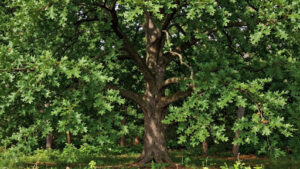
Considering a Northern Red Oak? Smart choice. These tough trees grow well, but need environmental help to thrive. Several factors influence their height and the northern red oak growth rate.
Sunlight Exposure
Northern Red Oaks prefer ample light for best performance, with full sun ideal for fastest growth. While they tolerate some shade, especially when young, sunnier spots provide more energy for growing, much like a solar panel.
Soil Quality and Drainage
These oaks prefer deep, moist, sandy soil for good drainage, avoiding waterlogged or overly alkaline conditions. Amend heavy clay or waterlogged soil, or choose another spot. Proper soil is key to a healthy start.
Water Availability
Young Northern Red Oaks need consistent moisture. Established trees tolerate dry spells due to deep roots, but growth slows when thirsty. Regular watering during dry periods boosts growth, but avoid overwatering.
Climate and Growing Zone
This tree is hardy in zones 4-8. Outside this range, growth may be slower, or it may struggle to thrive, depending on your growing season and winter severity.
Competition from Other Plants
Young oaks compete for resources with surrounding plants. Clearing the area around the base allows the tree to establish and grow vigorously, giving it space to thrive. out.
Typical Northern Red Oak Growth Rate
Northern Red Oak growth speed is a common question. While not a fast grower, it’s decent for an oak. Its growth rate varies with location and conditions.
Sapling Stage Growth
After planting, a young Northern Red Oak’s growth is slow for the first 3-5 years as it establishes roots, adding 1-2 feet yearly. This foundational phase is crucial for future growth.
Mature Tree Growth
Once established, its growth rate picks up, gaining height more steadily from year 5. A healthy, mature Northern Red Oak can grow 2-3 feet per year, a fast rate for its size. This is an average; soil, sunlight, and water affect growth.
Here’s a general idea of what to expect:
| Years | Growth Rate |
| First 1-3 years | 6-18 inches per year |
| Years 3-7 | 1-2 feet per year |
| Year 7+ | 2-3 feet per year |
It’s important to remember that ‘fast’ is relative in the tree world. While 2-3 feet a year is good for an oak, it’s not going to rival a poplar or a willow. Patience is key when planting a tree that’s meant to live for centuries.
Mature Height and Spread of Northern Red Oaks
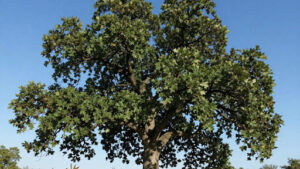
The northern red oak tree growth rate is moderate, with mature Northern Red Oaks typically reaching 60-75 feet tall and spreading 50-75 feet wide, requiring ample space for their full, rounded shape.
Here’s a quick rundown of what to expect:
| Attribute | Value |
| Height | 60-75 feet |
| Spread | 50-75 feet |
| Trunk Diameter | Can reach up to 3 feet or more in diameter on older specimens. |
These are average figures; ideal conditions may yield more, while poor conditions may yield less. When planting, consider its mature size to avoid crowding power lines, buildings, or other trees, ensuring less hassle and a healthier tree.
Tips for Promoting Healthy Northern Red Oak Growth
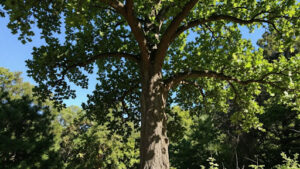
Got a Northern Red Oak? Great! Young trees benefit from extra attention for better growth and height. Proper care ensures a long, healthy life. When planting, choose a spot with at least six hours of sun daily for faster growth. Ensure well-draining soil, as oaks dislike soggy roots. The northern red oak tree’s growth rate is also influenced by these factors.
Here are a few things to keep in mind:
| Category | Details |
| Watering | Water young trees deeply weekly, checking soil moisture first. Established trees are drought-tolerant. |
| Mulching | Apply mulch around the base (not trunk) to retain moisture, suppress weeds, and regulate temperature. |
| Fertilizing | Oaks in decent soil rarely need fertilizer. Poor soil may benefit from a slow-release spring fertilizer, but avoid over-fertilizing. |
| Pruning | Prune only in late winter to remove dead, damaged, or crossing branches. Avoid heavy pruning. |
Remember that patience is key with trees. While Northern Red Oaks are considered fast growers for oaks, they still take time to reach their full potential. Enjoy watching your tree mature over the years, knowing you’ve given it a good start.
Want your Northern Red Oak trees to grow strong and healthy? We’ve got the best tips to help them thrive! Learn how to give your trees the perfect environment for growth. Visit our website today for expert advice and discover how to make your trees flourish.
Frequently Asked Questions
What is the typical mature height of a Northern Red Oak?
Mature Northern Red Oaks typically reach 60-75 ft tall, sometimes up to 100 ft, with a spread of 50-75 ft, forming a wide canopy.
What kind of soil do Northern Red Oaks prefer?
Northern Red Oaks are adaptable to soil, preferring well-draining, deep, moist, sandy-loam that is slightly acidic to neutral.
Do Northern Red Oaks need a lot of sunlight?
Yes, they thrive in sunlight! Northern Red Oaks grow best and fastest in full sun. More sun means a healthier, faster-growing tree.
Are Northern Red Oaks good for wildlife?
Yes, Northern Red Oaks are great for wildlife. Their acorns feed many animals, and the trees provide shelter for birds and small mammals, benefiting the ecosystem.
What are the benefits of planting a Northern Red Oak?
Planting a Northern Red Oak offers rewards: quick growth, shade, stunning fall colors, hardiness in urban areas, wildlife benefits, and valuable wood.